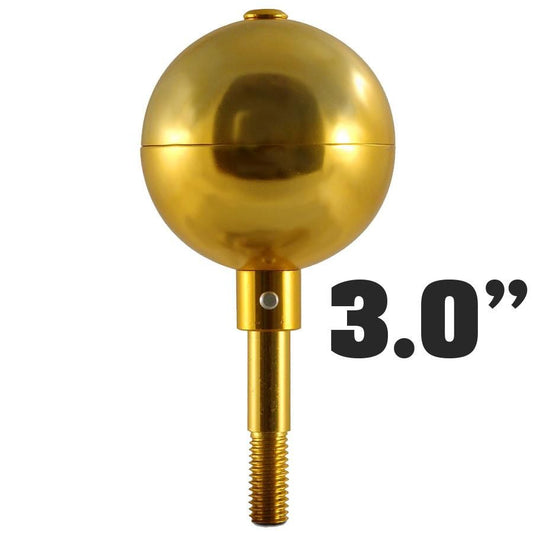
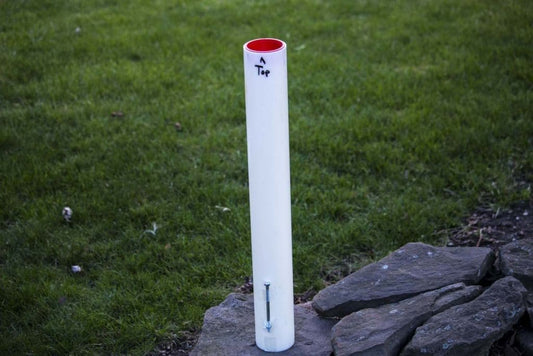
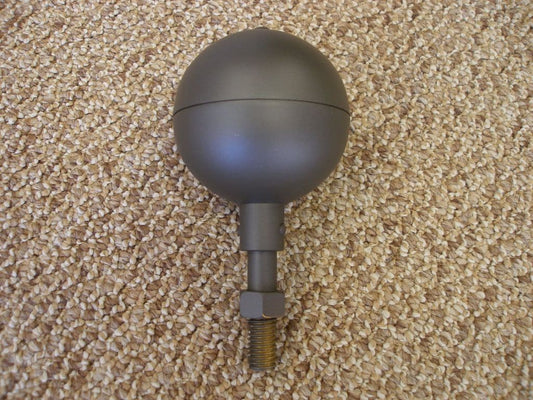
Proper flagpole installation begins with quality hardware designed to withstand the elements while ensuring your flag displays proudly for years to come. Our curated collection of premium flagpole hardware includes everything you need for professional-grade installation, from elegant anodized aluminum ball toppers that cap and protect your pole, to heavy-duty brass swivel snaps that prevent tangling and wear. Whether you're installing a permanent residential flagpole with our durable ground sleeves, or need portable mounting solutions like our versatile wheel stand for RV and camping adventures, each component is engineered from corrosion-resistant materials that deliver exceptional performance in all weather conditions. We've assembled the essential hardware that professional installers rely on - featuring coordinating finishes in gold, bronze, and black to complement any flagpole aesthetic. From the foundational ground sleeve that protects your investment to the finishing touch of a precision-crafted ball topper, our flagpole hardware collection provides the durability, functionality, and visual appeal that your flag display deserves. Explore our selection of time-tested installation components that combine traditional craftsmanship with modern materials for installations that stand the test of time.
What should you look for in flagpole installation hardware?
When selecting flagpole installation hardware, prioritize materials that offer exceptional durability and weather resistance. Anodized aluminum and solid brass are industry standards because they resist corrosion, maintain their finish in harsh conditions, and provide structural integrity for years. Look for complete hardware systems that include essential components: ball toppers to cap and protect the flagpole top, swivel snaps with rotating mechanisms to prevent flag tangling, proper ground sleeves sized to your pole diameter for secure anchoring, and versatile mounting options like wheel stands for portable applications. Quality hardware should feature smooth operation, secure connections, and finishes that complement your flagpole. Professional-grade hardware typically includes reinforced stress points, precision manufacturing for proper fit, and UV-resistant coatings that prevent fading and deterioration over time.
Frequently Asked Questions
Who makes the highest quality American flag?
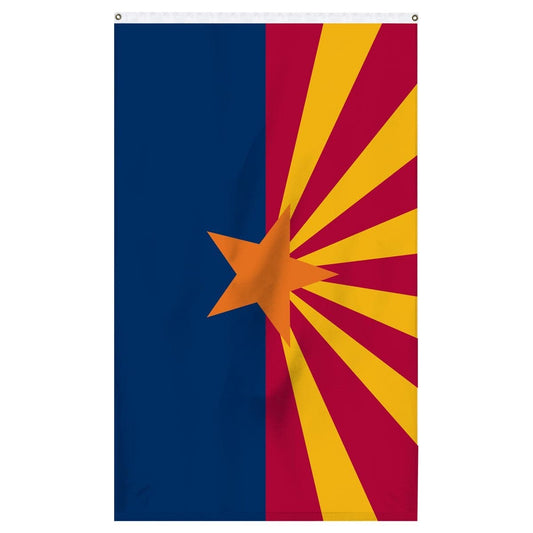
The highest quality American flags are manufactured in the USA using premium materials like heavyweight nylon or polyester with proper construction techniques. Top-tier flags feature sewn stripes (not printed), embroidered stars, reinforced stitching at stress points, and brass grommets for secure attachment. Quality American flags should meet specific standards: UV-resistant fabric that maintains color vibrancy, double-needle lock stitching to prevent unraveling, and four rows of stitching on the fly end where wind stress is greatest. Reputable manufacturers typically offer flags in various materials - nylon for all-weather durability and lightweight flying, polyester for heavy-duty applications in high-wind areas, and cotton for traditional ceremonial use. When paired with quality flagpole hardware like brass swivel snaps, premium American flags can last significantly longer while maintaining their dignified appearance.
How deep should a 30 flagpole be in the ground?
A 30-foot flagpole should be installed with approximately 10% of its total length buried in the ground, which equals about 3 feet deep for proper stability. However, professional installers often recommend going slightly deeper - typically 3.5 to 4 feet - to account for soil conditions and wind exposure. The installation hole should be 3 times the diameter of the flagpole (so a 6-inch pole requires an 18-inch diameter hole) and filled with concrete for maximum stability. Using a proper ground sleeve is essential for this installation, as it protects the flagpole from direct concrete contact, prevents corrosion, and allows for future pole removal or replacement if needed. The ground sleeve should extend the full depth of the hole and sit on a gravel base for drainage. In areas with freeze-thaw cycles, the hole should extend below the frost line (typically 4-5 feet in northern climates) to prevent heaving and maintain stability year-round.
Why are there balls on top of flagpoles?
Flagpole ball toppers serve both functional and decorative purposes. Functionally, the ball (also called a finial or truck) caps and seals the top of the hollow flagpole, preventing water infiltration that could cause internal corrosion, freezing damage, or structural weakness. The ball also provides a smooth, finished mounting point for the pulley system or rotating collar that holds flag attachments. Traditionally, the ball symbolizes the unity and sovereignty of the nation, though various ornamental toppers (eagles, spears, or other designs) can also be used depending on the setting and purpose. From a practical standpoint, the spherical shape offers minimal wind resistance while providing a distinctive silhouette that makes the flagpole visible from a distance. Quality ball toppers made from anodized aluminum or brass maintain their appearance in all weather conditions and come in various finishes (gold, bronze, black) to complement the flagpole's aesthetic. The standard 3-inch diameter ball is proportionally appropriate for most residential and commercial flagpoles between 20-40 feet in height.
Is 16 gauge aluminum strong enough for a flagpole?
Yes, 16 gauge aluminum is generally strong enough for residential flagpoles up to 25 feet in height, but the appropriate gauge depends on several factors including pole height, diameter, wind exposure, and flag size. Aluminum gauge works inversely - lower numbers indicate thicker, stronger material. For reference, 16 gauge aluminum is approximately 0.050 inches thick and provides adequate strength for typical residential applications with moderate wind conditions. However, taller flagpoles (30+ feet), locations with high wind exposure, or commercial installations should use thicker gauges like 14 or 12 gauge for enhanced durability and reduced flexing. The aluminum should be marine-grade (typically 6063-T6 alloy) and anodized for corrosion resistance. When evaluating flagpole strength, also consider the complete installation system - proper ground sleeves, quality mounting hardware, and appropriate foundation depth are equally important as pole gauge. For optimal performance, match your flagpole gauge to your specific installation: 16 gauge for 20-25 foot residential poles, 14 gauge for 25-35 foot poles, and 12 gauge or heavier for commercial installations or extreme weather locations.
What hardware is essential for a complete flagpole installation?
A complete flagpole installation requires several essential hardware components working together as a system. At the top, you need a ball topper or finial to seal and cap the pole while providing an attachment point for the halyard system. Brass swivel snaps (typically sold in pairs) are critical for attaching the flag to the halyard rope - the swivel mechanism prevents the flag from wrapping around the pole in wind. For ground installations, a properly sized ground sleeve (matching your pole diameter, typically 2.5" or 3") creates a protective barrier between the pole and concrete foundation while allowing for future maintenance. Portable installations require a wheel stand mount for RV, camping, or tailgate use, providing stable support without permanent anchoring. Additional hardware may include: a cleat for securing the halyard rope, a rope or cable halyard system rated for your flag weight, snap covers to reduce noise, and flash collars to direct water away from the ground sleeve opening. Quality installation hardware made from corrosion-resistant materials like anodized aluminum and solid brass ensures your flagpole system functions smoothly and maintains its appearance for decades with minimal maintenance.