Collection: Best Flagpole Hardware for Windy Conditions - Premium Flag Supplies
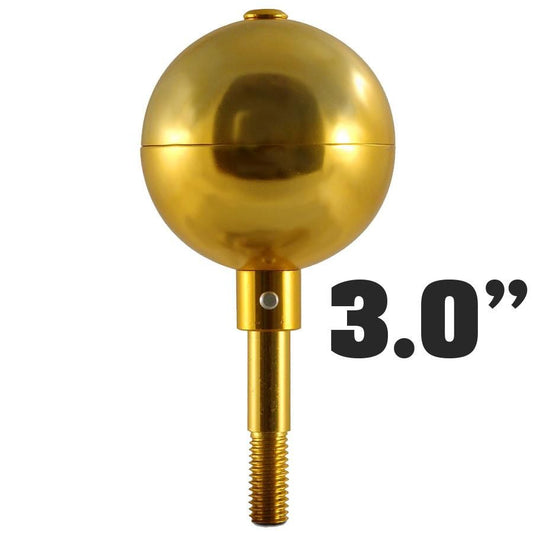
Flying a flag in windy conditions requires more than just a sturdy pole—the hardware connecting your flag and securing your flagpole makes all the difference between a proudly displayed banner and a tangled, damaged mess. Our curated collection of premium flagpole hardware is specifically selected for superior performance in high-wind environments, featuring heavy-duty materials, corrosion-resistant finishes, and engineering designed to withstand the stress of constant wind exposure. From swivel snaps with ball-bearing mechanisms that prevent flag tangling to reinforced ground sleeves that anchor your flagpole securely, each component is built to handle the unique challenges of windy conditions. Whether you're installing a permanent residential flagpole in a wind-prone area, setting up portable displays for outdoor events, or replacing worn hardware on an existing pole, this collection provides the professional-grade solutions you need. Discover anodized aluminum toppers that protect your pole while allowing free rotation, brass swivel snaps engineered for smooth operation under load, and versatile mounting systems suitable for everything from in-ground installations to RV and tailgate displays. Invest in quality hardware that protects your flag investment and ensures your colors fly proudly, even when the wind picks up.
Key Takeaways
- Heavy-duty swivel snaps with ball bearings prevent flag tangling and reduce stress on fabric in windy conditions
- Anodized aluminum and brass hardware offers superior corrosion resistance and durability in harsh weather
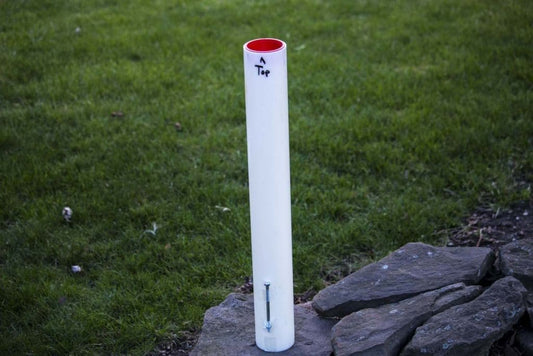
- Proper ground sleeves and mounting systems provide essential stability for flagpoles in high-wind environments
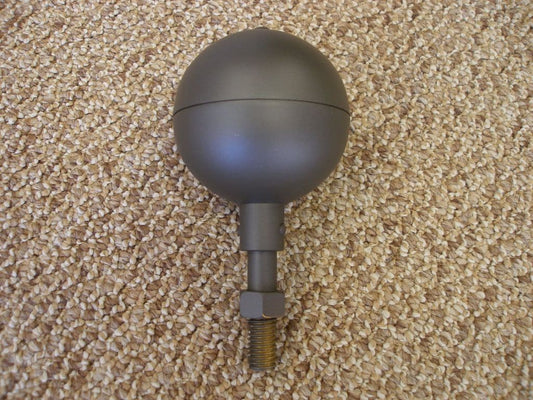
- Quality flagpole toppers protect the pole top while allowing flags to rotate freely, minimizing wind damage
What should you look for in flagpole hardware for windy conditions?
When selecting flagpole hardware for windy environments, prioritize materials and construction that can withstand constant stress and weather exposure. Look for anodized aluminum or solid brass components, which offer exceptional strength-to-weight ratios and superior corrosion resistance. Swivel mechanisms are critical—choose hardware with ball-bearing swivels that allow flags to rotate freely with wind direction, preventing wrapping and reducing fabric stress. Heavy-gauge construction in clips, snaps, and mounting brackets ensures they won't bend or fail under load. Additionally, secure anchoring systems like reinforced ground sleeves provide the foundational stability needed to keep your flagpole upright during storms. Weather-resistant finishes such as bronze, gold anodizing, or powder coating protect against rust and deterioration from moisture and UV exposure.
How do you choose the right flagpole mounting hardware for high-wind areas?
- Assess your installation surface—ground sleeves work for in-ground installations, while wheel stand mounts offer portable stability for RVs, tailgating, or temporary displays
- Match hardware diameter to your flagpole size—ensure ground sleeves and mounting brackets accommodate your pole's diameter (typically 2.5" to 3" for residential flagpoles)
- Consider weight capacity and wind rating—verify that mounting hardware is rated for the wind speeds common in your area and can support your flagpole's height and weight
- Evaluate material quality—anodized aluminum provides lightweight durability, while ABS plastic ground sleeves resist cracking and offer excellent ground stability
- Check for adjustability features—mounts with multiple angle positions allow you to compensate for uneven terrain and optimize flag display
Frequently Asked Questions
What is the best flagpole for high winds?
The best flagpoles for high winds are typically telescoping or sectional poles made from heavy-duty aluminum with a tapered design that reduces wind load. Look for poles with wall thickness of at least 0.125 inches and a secure ground sleeve installation that extends at least 24 inches into the earth. Fiberglass poles also perform well in extreme wind due to their flexibility, which allows them to bend rather than break. For wind-prone areas, choose a pole height appropriate for your location—shorter poles (15-20 feet) handle wind better than taller ones. Most importantly, ensure your flagpole is properly anchored with a reinforced ground sleeve or heavy-duty mounting system, and use quality swivel hardware that allows the flag to rotate with wind direction rather than fighting against it.
What flag material is best for high winds?
Polyester is the best flag material for high-wind conditions due to its exceptional strength, durability, and resistance to fraying. Unlike nylon, which is lightweight and better for light breezes, polyester's heavier weight and tighter weave make it ideal for areas with sustained winds or frequent gusts. The fabric's natural resistance to UV rays and moisture also extends flag life in harsh weather. For extreme wind conditions, consider 2-ply polyester or sewn-and-sealed construction with reinforced stitching at stress points. Heavy-duty canvas is another option for very high winds, though it's less common for residential use. Regardless of material, proper hardware—especially swivel snaps that prevent tangling—is equally important for protecting your flag investment in windy environments.
How much wind can a flag pole handle?
Most residential flagpoles are engineered to withstand wind speeds of 40-50 mph when properly installed, though this varies significantly based on pole material, height, diameter, and installation method. Commercial-grade flagpoles with proper ground sleeves can handle winds up to 70-90 mph. The critical factor isn't just the pole itself, but the total wind load—a combination of wind speed, pole height, and flag size. As a general rule, wind pressure increases exponentially with speed, so a 60 mph wind exerts four times the force of a 30 mph wind. To maximize wind resistance, use a ground sleeve that extends at least 10% of the pole's height into the ground, invest in heavy-duty mounting hardware, and consider taking down larger flags during severe weather warnings. Telescoping flagpoles with tapered designs typically handle wind better than straight poles of the same height.
How to keep flag from wrapping around pole in wind?
Preventing flag wrapping requires a combination of proper hardware and smart flag selection. The most effective solution is installing high-quality swivel snaps with ball-bearing mechanisms that allow the flag to rotate freely with wind direction rather than tangling around the pole. Using a flag with a sleeve rather than grommets, or adding anti-furling rings (rotating rings that attach to the flag), can also help. Choose a flag size appropriate for your pole—oversized flags are more likely to wrap. Some flagpole owners install a spinning flagpole topper that allows the entire rigging system to rotate. Additionally, slightly angling your flagpole (5-10 degrees from vertical) can help flags fly away from the pole. In consistently windy conditions, consider using a heavier flag material like polyester rather than lightweight nylon, as the additional weight helps the flag maintain proper extension. Finally, ensure your halyard (rope) isn't too loose, as excessive slack contributes to tangling.
Do I need special hardware for coastal or extreme weather flagpole installations?
Yes, coastal and extreme weather environments require specialized flagpole hardware with enhanced corrosion resistance and durability. Salt air, high humidity, and constant wind exposure accelerate deterioration of standard hardware. Choose anodized aluminum or solid brass components rather than steel, as these materials resist rust and corrosion significantly better. Look for marine-grade or commercial-grade ratings on swivel snaps, clips, and mounting brackets. Ground sleeves should be ABS plastic or heavily coated aluminum to prevent underground corrosion. In coastal areas, rinse hardware periodically with fresh water to remove salt buildup. For extreme wind zones (coastal areas, plains, mountain regions), invest in heavy-duty swivel mechanisms with sealed ball bearings and reinforced mounting systems. Consider hardware with higher weight ratings than you think you need—a safety margin of 50-100% ensures longevity and prevents failure during unexpected severe weather events.
Sources
- How To Choose the Best Flagpole for Windy Conditions — www.libertyflagpoles.com
- Flagpole Hardware: The Ultimate Guide For Your Flag — flagpolesetc.com
- 5 Acre Living | We have a exposed acreage where the wind is always blowing | Facebook — www.facebook.com
- 17' Flag Pole Superior Strength Wind Rated — www.bowwowwaste.com
- 100 mph Wind Rated Flagpoles Comparison: A Comprehensive ... — atlanticflagpole.com