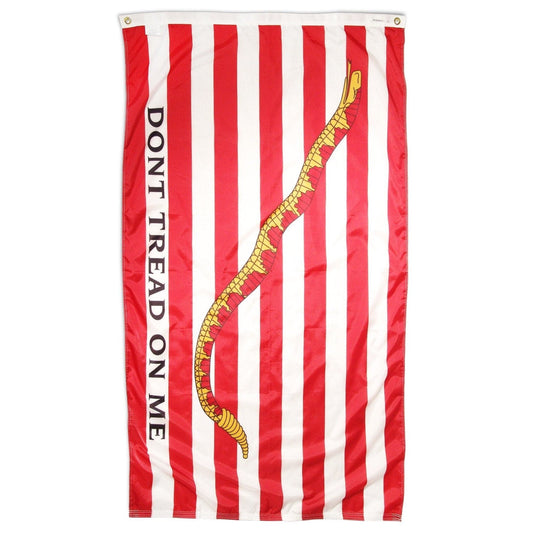
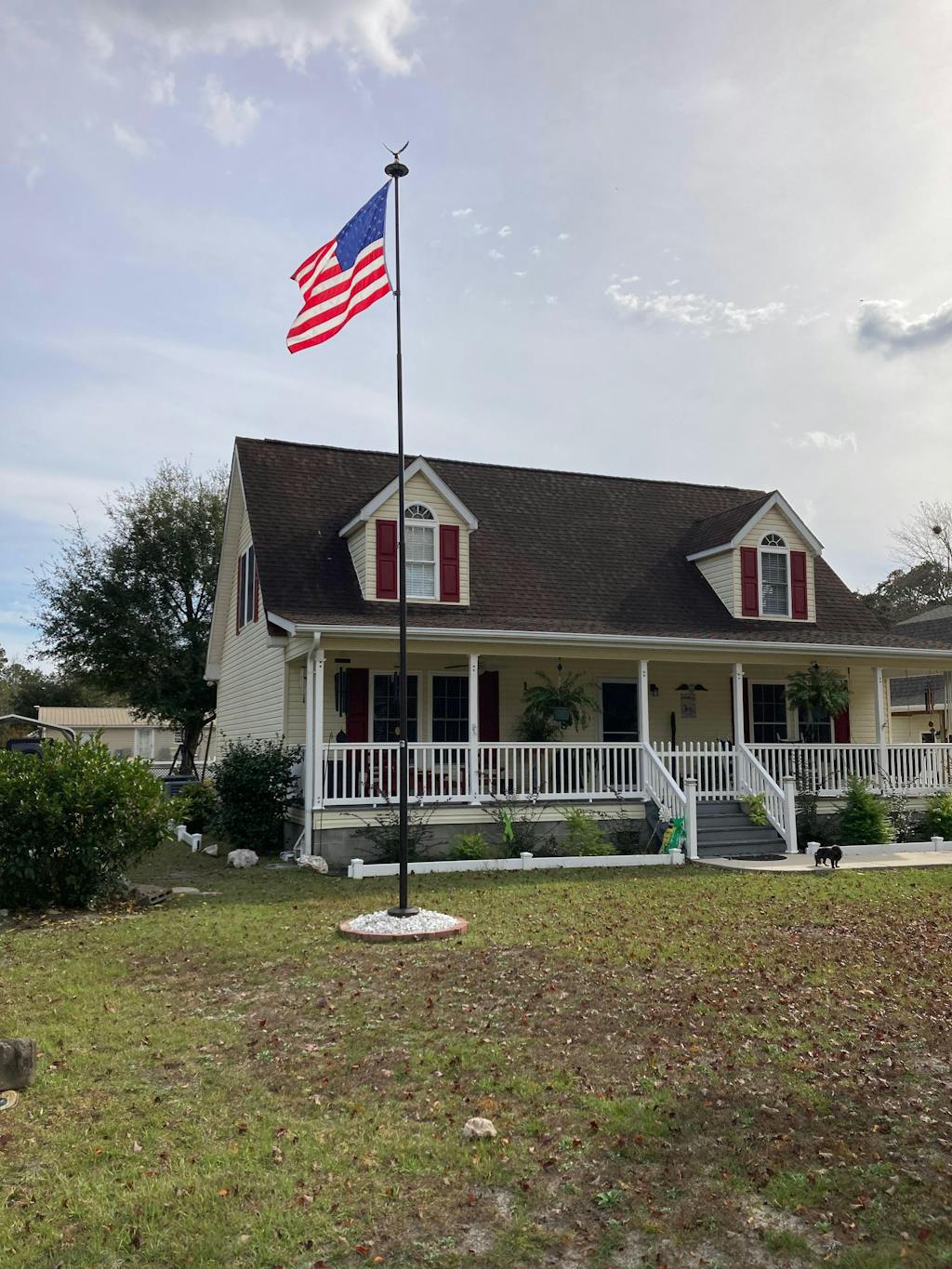
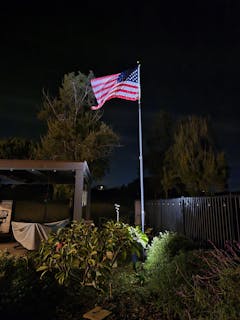
Maintaining a flagpole in pristine condition requires more than just occasional attention—it demands the right accessories and hardware designed for durability, functionality, and weather resistance. Our curated collection of flagpole maintenance accessories brings together essential components that protect your investment, ensure proper flag display, and simplify ongoing care. From premium brass swivel snaps that prevent flag tangling to high-output solar lighting systems that provide code-compliant 24/7 illumination, each product has been selected for its quality construction and proven performance. Whether you're restoring a historic flagpole, upgrading worn components, or building a complete maintenance kit, these accessories address the most common flagpole challenges while enhancing the overall presentation of your flag display. Quality ball toppers protect against weather infiltration, robust mounting hardware ensures secure flag attachment in all conditions, and historically accurate flags like the 15-star Star Spangled Banner or Don't Tread on Me Navy Jack add meaningful symbolism to your display. Proper maintenance accessories not only extend the life of your flagpole by 10-15 years but also demonstrate respect for the flags you fly and the values they represent.
What should you look for in flagpole maintenance accessories?
When selecting flagpole maintenance accessories, prioritize durability, weather resistance, and compatibility with your existing setup. Look for corrosion-resistant materials like anodized aluminum, solid brass, or marine-grade stainless steel that can withstand constant exposure to sun, rain, and wind. Quality swivel snaps should feature smooth rotation mechanisms to prevent flag tangling, while ball toppers need secure threading to stay in place during storms. For lighting solutions, consider solar-powered options with high lumen output (2000+ lumens) for adequate nighttime visibility. Ensure all hardware matches your flagpole's diameter and threading specifications. Premium accessories may cost more initially but provide superior longevity, reducing replacement frequency and long-term maintenance costs. Additionally, choose accessories that comply with U.S. Flag Code requirements, especially for lighting and display standards.
Frequently Asked Questions
Who makes the highest quality American flag?
The highest quality American flags are made by manufacturers who use 100% nylon or polyester materials with sewn stripes (not printed) and embroidered stars. Premium flags feature reinforced stitching on all seams, brass grommets, and four rows of lock stitching on the fly end. American-made flags from certified manufacturers typically offer superior durability, with nylon flags being ideal for most climates due to their lightweight nature and quick-drying properties. Look for flags that meet official specifications regarding proportions, colors, and construction methods. Quality flags should include UV-resistant dyes that prevent fading and materials that can withstand wind speeds up to 40 mph. The best manufacturers offer warranties ranging from 6 months to 2 years, reflecting their confidence in construction quality. Historical reproduction flags, like the 15-star Star Spangled Banner design, should maintain these same quality standards while accurately representing period-appropriate specifications.
How to maintain a flagpole?
Proper flagpole maintenance involves regular inspections, cleaning, and replacement of worn components. Every 3-6 months, inspect the flagpole for signs of corrosion, loose hardware, and worn halyards (ropes). Clean the pole annually using mild soap and water, avoiding abrasive cleaners that can damage finishes. Lubricate moving parts like pulleys and truck assemblies with silicone spray to ensure smooth operation. Check swivel snaps for wear and replace them when they show signs of weakening or rough edges that could tear flags. Ball toppers should be inspected to ensure they're securely fastened and not allowing water intrusion. Replace halyards every 2-3 years or sooner if fraying occurs. For in-ground poles, check the foundation for stability and proper drainage. Solar lights should have panels cleaned quarterly to maintain charging efficiency. Flags themselves should be replaced when showing significant wear, typically every 3-6 months for flags flown 24/7. During severe weather, consider temporarily removing flags to prevent damage to both the flag and pole hardware.
Why are there balls on top of flagpoles?
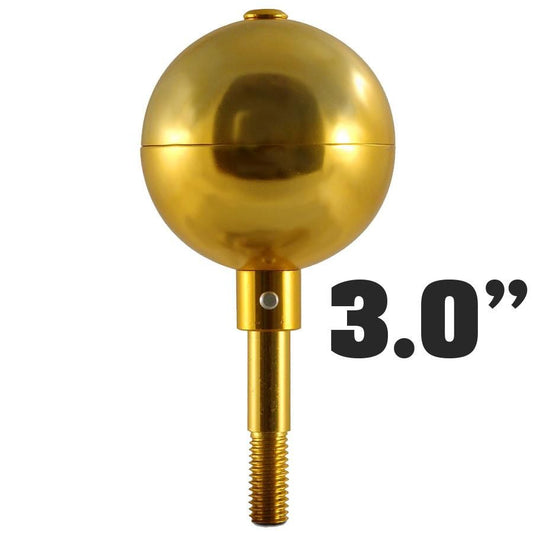
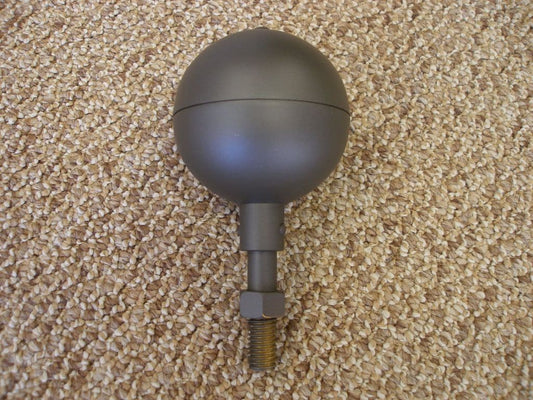
Balls on top of flagpoles, called finials or toppers, serve both practical and decorative purposes. Primarily, they protect the flagpole's top from weather damage by preventing water from entering the hollow pole shaft, which could cause internal corrosion and freezing damage in cold climates. The ball design allows rainwater to shed efficiently in all directions. Ball toppers also provide a finished, professional appearance and serve as a mounting point for the truck assembly (pulley system) in external halyard poles. Historically, there are legends about balls containing items like matches, a bullet, and a razor for last-resort flag destruction during enemy capture, though this is largely myth. The standard size is 3 inches for residential poles, though sizes vary based on pole height and diameter. Materials like anodized aluminum, brass, and bronze offer different aesthetics and durability levels. Gold balls are most traditional and popular, while black and bronze finishes provide contemporary alternatives. The ball's secure attachment is crucial for safety, as a loose topper can become a dangerous projectile in high winds.
What are common flagpole problems and solutions?
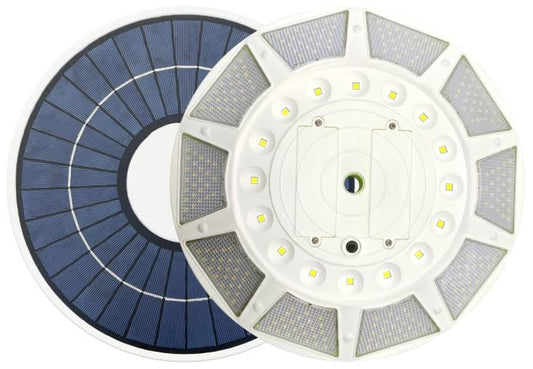
Common flagpole problems include tangled flags, worn halyards, corroded hardware, inadequate lighting, and loose components. Flag tangling occurs when flags wrap around the pole in wind - solve this by installing quality brass swivel snaps that allow 360-degree rotation, preventing twisting. Frayed or broken halyards result from UV exposure and friction; replace them every 2-3 years with UV-resistant rope and ensure proper tension. Corroded snaps, clips, and cleats develop from weather exposure - use marine-grade stainless steel or brass hardware and apply corrosion inhibitor in coastal areas. Insufficient nighttime illumination violates flag code; install high-lumen solar lights (2000+ lumens) for proper 24/7 display without electrical costs. Loose ball toppers can fall and cause injury; regularly check threading and apply thread-locking compound if needed. Noisy halyards banging against poles disturb neighbors - use halyard tensioning systems or PVC sleeves as dampeners. Faded flags result from UV exposure; rotate flags seasonally and choose UV-resistant materials. Bent or leaning poles indicate foundation problems requiring professional assessment. Frozen pulleys in winter can be prevented with silicone lubricant application before cold weather arrives.
How often should flagpole accessories be replaced?
Replacement frequency for flagpole accessories depends on material quality, weather exposure, and usage intensity. Swivel snaps should be inspected every 3 months and replaced annually or when showing wear, rust, or rough edges that could damage flags. Quality brass snaps may last 2-3 years with proper maintenance. Halyards typically need replacement every 2-3 years, though high-use or coastal installations may require annual replacement. Solar flagpole lights have LED lifespans of 50,000+ hours (approximately 5-7 years) but batteries may need replacement every 2-3 years depending on the system. Ball toppers rarely need replacement unless damaged, but should be checked annually for secure attachment. Cleats and mounting hardware should be inspected seasonally and replaced when showing significant corrosion or structural weakness. Flags themselves require the most frequent replacement - every 3-6 months for 24/7 display, though this varies by flag quality and weather conditions. Establishing a regular inspection schedule helps identify wear before component failure occurs. Keeping spare accessories on hand ensures you can make immediate replacements, preventing extended periods where your flag display is compromised. Premium accessories with superior materials and construction generally offer 2-3 times the lifespan of budget alternatives, making them more cost-effective long-term.