Collection: Best State Flags for Government Buildings - Premium Quality Collection
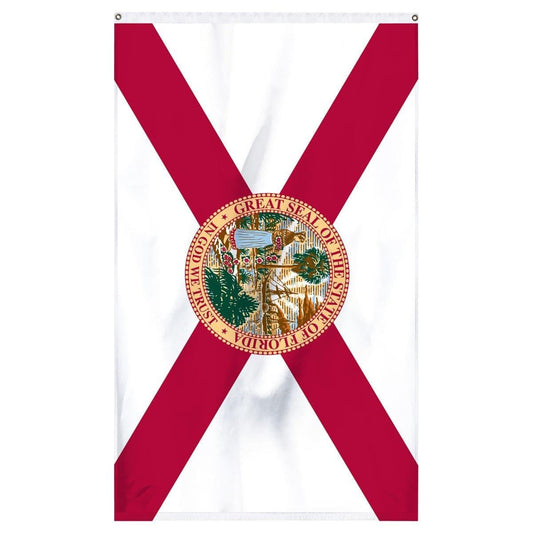
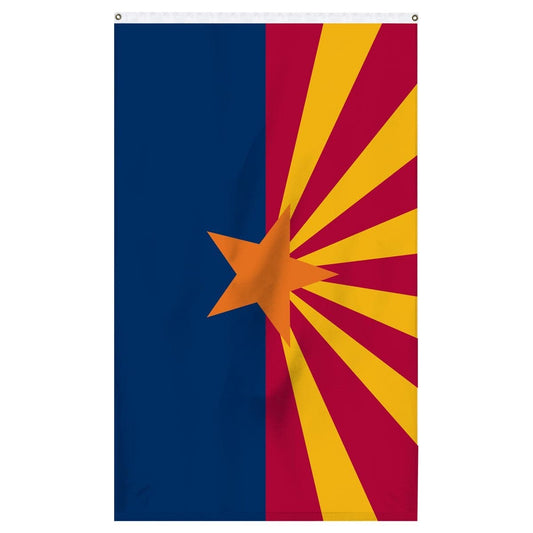
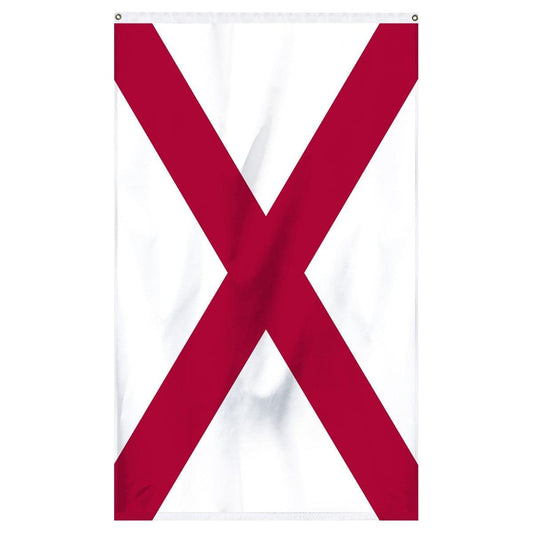
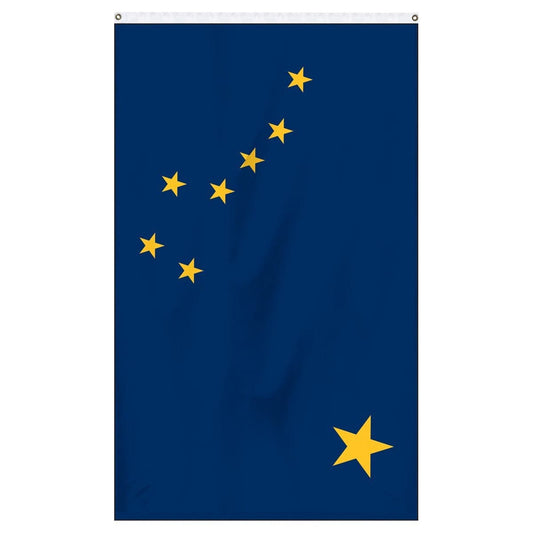
Equipping government buildings with premium state flags requires careful attention to quality, durability, and official specifications. Our curated collection of state flags for government facilities features authentic, Made in USA flags constructed from high-grade nylon with reinforced stitching and solid brass grommets designed to withstand continuous outdoor display. Each flag in this collection meets the rigorous standards expected of institutional-grade flags, offering superior colorfastness, weather resistance, and accurate reproduction of state seals and symbols according to official specifications. Whether you're outfitting a municipal building, courthouse, state office, or federal facility, these 3x5 foot flags provide the ideal size for standard government flagpoles while maintaining the dignity and professionalism that public institutions demand. From the crimson cross of Alabama to the iconic Big Dipper of Alaska, from the Grand Canyon State's copper star to Florida's saltire and Arkansas's diamond design, each flag represents authentic state heritage with materials built to endure the elements. Complete your flagpole setup with our professional-grade brass swivel snaps that ensure secure mounting while allowing flags to rotate freely and prevent tangling—a critical feature for government installations where flags fly continuously and must always present properly.
Key Takeaways
- Government-grade state flags should be constructed from durable nylon with reinforced stitching and brass grommets for outdoor longevity
- The standard size for government building flags is 3x5 feet, though larger facilities may require 4x6 or 5x8 feet proportions
- Made in USA flags ensure compliance with federal procurement standards and support domestic manufacturing quality
- Proper mounting hardware including brass swivel snaps prevents flag damage and allows for easy installation and replacement
What should you look for in state flags for government buildings?
Government building state flags require specific quality standards to ensure durability, proper representation, and longevity. First, material selection is critical—high-quality nylon is the gold standard for outdoor government flags because it offers excellent weather resistance, vibrant color retention, and appropriate weight for consistent flying in various wind conditions. The construction should feature double-needle stitching on all seams and reinforced fly ends to prevent premature fraying, which is especially important for flags that fly continuously. Brass grommets are essential rather than plastic alternatives, as they resist corrosion and provide secure attachment points that won't tear under stress. Additionally, flags made in the USA typically adhere to stricter quality control standards and often use colorfast dyes that meet government specifications for accurate state seal and emblem reproduction. For government applications, it's also important to verify that the flag meets any specific state or federal display requirements, particularly regarding color accuracy and proportions of state symbols.
How do you choose the right state flag size for government facilities?
- Standard 3x5 foot flags work for most municipal buildings, courthouses, and smaller government offices with flagpoles ranging from 15 to 25 feet in height
- Larger government complexes and state capitol buildings typically require 4x6 or 5x8 foot flags to maintain proper proportions with taller flagpoles (25-40 feet)
- The general rule is that flag length should be approximately one-quarter of the flagpole height for aesthetically balanced display
- Consider the number of flags being displayed—when flying multiple flags (U.S. flag, state flag, and others), maintaining consistent sizing creates a professional appearance
- Indoor government facilities often use smaller ceremonial flags (typically 3x5 or 4x6 feet) mounted on presentation poles with ornamental finials
Frequently Asked Questions
What is the most recognized state flag?
Texas holds the distinction of having the most recognized state flag in the United States, often called the "Lone Star Flag." Its simple yet bold design featuring a single white star on a blue vertical stripe alongside horizontal white and red stripes makes it instantly identifiable. California's flag with its distinctive bear and star design is also highly recognizable, as is Alaska's flag featuring the Big Dipper constellation on a blue field. However, recognition often correlates with state population, cultural influence, and how frequently the flag appears in media and commerce. For government buildings, what matters most isn't recognition but rather proper display of the official state flag that represents the jurisdiction, manufactured to exact specifications with accurate colors and proportions as defined by state statute.
What flags are flown on government buildings?
Government buildings in the United States typically display a specific hierarchy of flags based on federal and state protocols. The U.S. flag always takes the position of honor and flies at the highest point or center position. State flags are flown subordinate to the national flag, typically on a separate flagpole of equal or slightly shorter height, or on the same pole below the U.S. flag. Many government buildings also display their county or municipal flag, military service flags, or POW/MIA flags. Federal buildings follow strict U.S. Flag Code guidelines, while state and local government buildings must adhere to both federal code and any additional state-specific flag display laws. On government buildings housing multiple jurisdictions, you might see the U.S. flag, state flag, county flag, and city flag displayed in descending order of governmental authority. Special occasions may call for additional flags such as commemorative flags or flags representing visiting dignitaries.
What size flag is needed for a government building?
The appropriate flag size for a government building depends primarily on the height of the flagpole and the building's scale. The standard formula used by government facilities is that the flag's length should equal approximately one-quarter of the flagpole's height. For most municipal and county government buildings with 20-foot flagpoles, a 3x5 foot flag is standard and provides proper proportion. Buildings with 25 to 30-foot poles typically use 4x6 foot flags, while state capitols and large federal buildings with 40 to 50-foot poles often require 5x8 or 6x10 foot flags. The flag should be large enough to be clearly visible and identifiable but not so large that it overwhelms the pole or building architecture. Government procurement officers should also consider that larger flags experience more wind stress and may require more frequent replacement. When multiple flags are displayed, maintaining consistent sizing across all flags creates a professional, cohesive appearance that reflects well on the institution.
Who makes the best flags in the United States?
The best American flag manufacturers are typically those who combine domestic production with time-tested construction methods and premium materials. Top-tier flag makers use high-tenacity nylon that's specifically engineered for outdoor use, featuring UV-resistant dyes that prevent fading and maintain color accuracy for state seals and emblems. Quality manufacturers employ double and quadruple stitching techniques, use genuine brass grommets rather than plastic alternatives, and reinforce stress points like fly ends with multiple rows of stitching or additional fabric layers. Made in USA designation is particularly important for government procurement, as many jurisdictions have Buy American requirements and domestic manufacturers typically maintain stricter quality control standards. The best flag producers also understand state-specific requirements, ensuring that colors, proportions, and design elements precisely match official state specifications. For government applications, look for manufacturers who specialize in institutional-grade flags, offer warranties, and can provide documentation of materials and construction methods to satisfy procurement requirements.
How long do government building flags typically last?
The lifespan of government building flags varies significantly based on environmental conditions, flag quality, and display practices, but high-quality nylon state flags typically last 6 to 12 months with continuous outdoor display. Flags in harsh climates with strong winds, intense sun exposure, or coastal salt air may need replacement every 3 to 6 months, while flags in more temperate conditions with moderate weather can last up to 18 months. Government facilities can extend flag life by implementing proper protocols such as illuminating flags at night (which reduces UV damage compared to 24-hour sun exposure), taking flags down during severe weather events, and ensuring proper flagpole hardware that prevents excessive whipping and tangling. The fly end (the edge farthest from the pole) typically shows wear first, with fraying being the most common indicator that replacement is needed. Many government buildings maintain a regular replacement schedule rather than waiting for visible deterioration, ensuring flags always present a dignified appearance that reflects respect for the state and institution they represent.
Sources
- State Flag Guide — www.carrot-top.com
- — www.reddit.com
- USA state flags — the best and the worst and how to buy them — medium.com
- How To Choose The Best State Flag For Your Collection? — flagpatriots.com
- Flag Buying Guide - United States Flag Store — www.united-states-flag.com