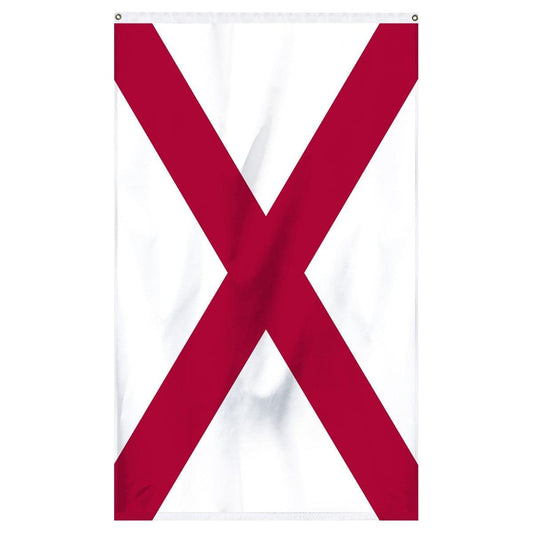
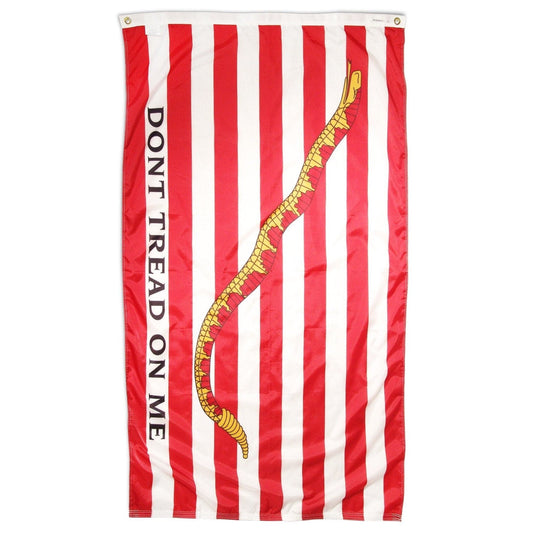
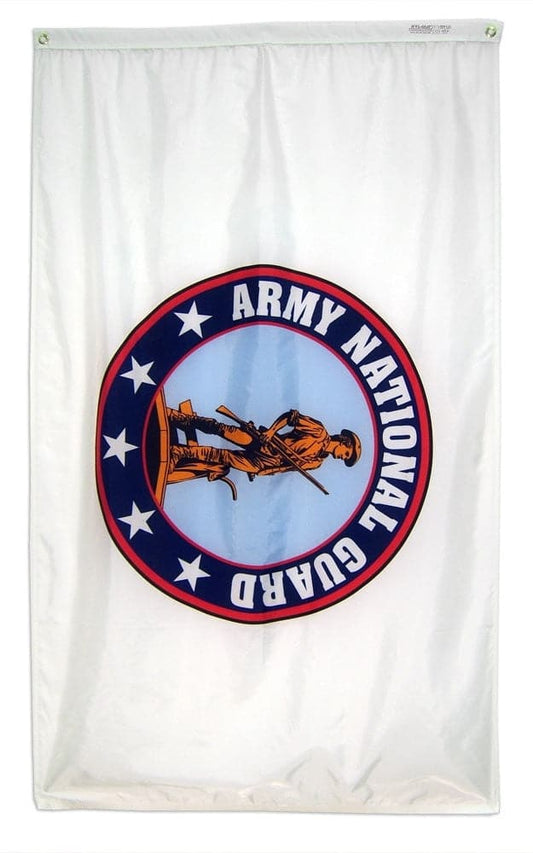
Transform your educational environment with our carefully curated collection of historical flags designed specifically for teaching and learning. This premium selection brings American history to life through authentic reproductions of the flags that witnessed pivotal moments in our nation's development. From the iconic 15 Star Flag that inspired the Star Spangled Banner during the War of 1812 to the defiant First Navy Jack with its "Don't Tread on Me" rattlesnake symbolizing Revolutionary War spirit, each flag in this collection serves as a tangible connection to the past that engages students far more effectively than textbooks alone. Our educational flag collection includes essential state flags representing different regions and admission periods, perfect for teaching federalism, geography, and regional history. The Army National Guard Flag rounds out the collection by honoring military service and facilitating discussions about citizenship, duty, and the evolution of American military institutions. Every flag is constructed from durable 3x5 foot nylon with brass grommets, specifically chosen for educational settings where flags must withstand frequent handling, repeated display, and years of active use. Made in USA craftsmanship ensures historical accuracy in design details while supporting domestic manufacturing—an additional teaching point about American industry and quality standards. Whether you're outfitting a new classroom, refreshing a school's history department, creating museum displays, or enhancing homeschool curricula, these historical flags provide the visual impact and durability that educators need. They're equally effective mounted on classroom walls for semester-long units, displayed on portable stands for presentations, or flown outdoors during educational ceremonies and patriotic observances. Invest in teaching tools that will inspire curiosity, facilitate memorable lessons, and serve your educational mission for years to come.
What should you look for in historical flags for educational purposes?
When selecting historical flags for education, prioritize authentic design accuracy that reflects the actual historical period being taught. Educational flags should feature durable nylon construction that withstands frequent classroom handling, student presentations, and repeated display cycles throughout the academic year. Look for flags with reinforced stitching and brass grommets that allow for easy mounting on classroom walls, flagpoles, or display stands. Size matters in educational settings—3x5 foot flags provide excellent visibility for classroom sizes ranging from 20-40 students without overwhelming smaller spaces. Color-fastness is crucial to maintain educational value over multiple years, as faded flags lose their visual impact and teaching effectiveness. Made in USA construction often indicates superior quality control and historical accuracy in design details. Consider flags that come with educational information or can be paired with lesson plans about their historical significance, enhancing their value as teaching tools rather than mere decorations.
Frequently Asked Questions
Why are historical flags important teaching tools in education?
Historical flags serve as powerful visual anchors that make abstract historical concepts tangible and memorable for students. They represent pivotal moments in American history—the 15 Star Flag connects students to the War of 1812 and Francis Scott Key's inspiration for the National Anthem, while the First Navy Jack embodies Revolutionary War ideals of independence and resistance. Flags engage multiple learning styles simultaneously: visual learners connect with the symbols and colors, kinesthetic learners benefit from handling and displaying them, and analytical learners explore the meaning behind design choices. They also facilitate discussions about symbolism, national identity, federalism, and how societies express shared values through visual representation. Educational research shows that physical artifacts in classrooms increase retention rates by up to 40% compared to textbook-only instruction, making historical flags invaluable supplements to traditional curricula.
What is the significance of the 15 Star Flag in American history education?
The 15 Star Flag represents a crucial period in American history from 1795 to 1818, when the young nation expanded to include Vermont and Kentucky. This flag is most famous as the Star Spangled Banner that flew over Fort McHenry during the 1814 British bombardment, inspiring Francis Scott Key to write what would become the National Anthem. In educational settings, this flag teaches students about the War of 1812, early American expansion, and how the flag evolved as the nation grew. It provides context for discussions about manifest destiny, state admission processes, and the symbolic importance of adding stars to represent new states. The 15 Star Flag also helps students understand that American symbols have evolved throughout history, making it perfect for lessons about change, growth, and national identity formation during the early republic period.
How should historical flags be displayed in classroom settings?
Proper classroom display of historical flags enhances their educational impact while showing respect for their significance. Mount flags at eye level for the average student in your classroom to maximize visibility and engagement. Create dedicated history walls or timeline displays where multiple historical flags can be arranged chronologically, helping students visualize the progression of American symbols. Use proper flag etiquette as a teaching opportunity—demonstrate correct handling, folding, and positioning while explaining why these protocols matter. For active lessons, consider rotating flag displays to match current curriculum units, bringing out the 15 Star Flag during War of 1812 studies or state flags when teaching regional history. Ensure flags are well-lit and positioned away from direct sunlight that might cause fading. Pair each flag display with informational cards explaining historical context, dates of use, and significance. During patriotic holidays or special assemblies, incorporate these educational flags into ceremonies, giving students hands-on experience with historical symbols while reinforcing their meaning and proper respect protocols.
What makes nylon the best material for educational flags?
Nylon has become the preferred material for educational flags due to its exceptional balance of durability, appearance, and practicality in learning environments. Nylon flags are lightweight yet remarkably strong, withstanding the frequent handling that occurs when students participate in flag ceremonies, presentations, or hands-on history activities. The material resists tearing and fraying better than cotton or polyester blends, essential when flags are repeatedly mounted and dismounted throughout the school year. Nylon's tight weave produces vibrant, sharp colors that capture student attention and maintain educational impact even after years of use. The material is also easier to clean than alternatives, important in school settings where flags may accumulate dust or require occasional washing. Nylon dries quickly and resists mildew, making it suitable for both indoor classrooms and outdoor educational ceremonies. For budget-conscious schools, nylon's longevity provides better long-term value, as these flags typically last 3-5 years in active educational use compared to 1-2 years for lower-quality materials. The professional appearance of nylon flags also elevates the educational environment, signaling to students that these historical artifacts deserve respect and attention.
Can historical flags be used for multiple subject areas beyond history class?
Historical flags offer remarkable versatility across multiple disciplines, making them valuable investments for schools with limited budgets. In civics and government classes, flags teach federalism concepts—state flags illustrate state sovereignty while national flags demonstrate federal authority and shared national identity. Art teachers can use flags to discuss symbolism, color theory, design principles, and how visual elements communicate complex ideas without words. English and literature classes can incorporate flags when studying historical fiction, poetry like the Star Spangled Banner, or analyzing how authors use patriotic imagery. Geography lessons benefit from state flags that help students learn locations, capitals, and regional characteristics through visual association. Mathematics classes can explore geometric patterns, symmetry, and ratios in flag designs. Social studies units on cultural identity, immigration, and American diversity can use flags to discuss how symbols unite diverse populations. Even physical education classes can incorporate flags in ceremonies before sporting events, teaching sportsmanship and respect. This cross-curricular potential means a single historical flag collection serves multiple departments, maximizing educational value and justifying the investment for school administrators seeking resources with broad applicability across the curriculum.