Collection: Best American Flag for High Winds - Premium Wind-Resistant Flags

Flying the American flag in high-wind conditions requires more than patriotic spirit—it demands the right equipment designed to withstand nature's forces while maintaining the dignity and respect our flag deserves. Whether you're located in coastal areas with constant ocean breezes, plains states with relentless winds, or mountainous regions with unpredictable gusts, this collection features premium American flags and essential hardware specifically engineered for challenging weather conditions. Our high-wind flag selection includes heavy-duty nylon flags with sewn stripes and embroidered stars that resist tearing and fraying, professional-grade mounting hardware featuring brass swivel snaps that prevent tangling, robust ground sleeves for secure pole installation, and specialized flag designs like windsocks that excel in extreme conditions. Each product has been selected for its proven durability, superior construction quality, and ability to perform reliably when ordinary flags fail. From the flag itself to the mounting system and pole anchoring, every component plays a critical role in ensuring your American flag flies proudly and survives the elements season after season.

Key Takeaways

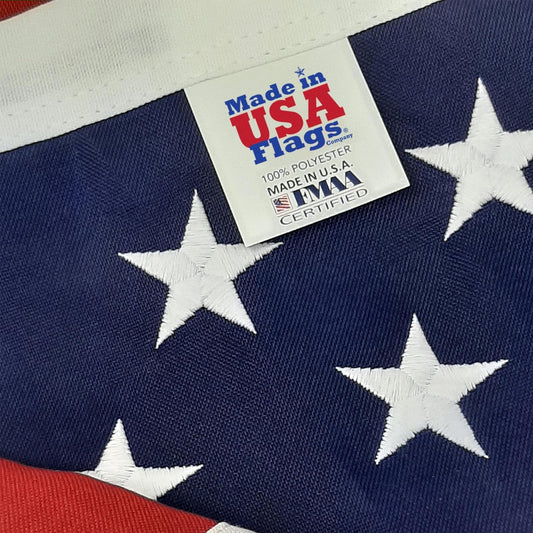
  • Nylon flags with sewn stripes and embroidered stars offer superior durability in high winds compared to printed alternatives
  • Heavy-duty mounting hardware like brass swivel snaps prevents flag tangling and reduces stress on fabric during gusty conditions
  • Proper flagpole anchoring systems including ground sleeves are essential for stability in wind speeds above 20 mph
  • 200-denier nylon material provides the optimal balance of strength and flexibility for flags exposed to constant wind stress

What should you look for in a high-wind American flag?

When selecting an American flag for high-wind conditions, prioritize construction quality over price. The best flags feature sewn stripes rather than printed ones, as stitched construction creates reinforced seams that resist tearing in gusty conditions. Look for embroidered stars instead of appliqué, which can separate from the canton in extreme weather. The fabric weight matters significantly—200 to 300-denier nylon offers excellent wind resistance while remaining lightweight enough to fly properly. Premium flags include reinforced stitching at stress points, particularly along the fly end where wind damage typically begins. Canvas heading with brass grommets or heavy-duty rope and thimble attachments provide secure mounting that won't fail during storms. Additionally, consider flags treated with UV-resistant coatings to prevent sun damage, as high-wind locations often mean extended sun exposure that can weaken fibers over time.

How do you choose the right flagpole system for high winds?

  • Select poles made from anodized aluminum or fiberglass that flex with wind rather than rigid materials that can snap under stress
  • Ensure proper anchoring with ground sleeves that extend at least 12-18 inches below surface for poles in areas with sustained winds over 20 mph
  • Use brass swivel snaps or rotating mounting hardware to prevent flag tangling and reduce fabric stress during variable wind conditions
  • Choose telescoping poles with locking mechanisms that allow you to lower the flag quickly when severe weather approaches
  • Consider wheel stand mounts for portable applications like RVs where permanent installation isn't possible but wind resistance is still needed
  • Match pole diameter to flag size—larger flags require thicker poles (3 inches or more) to prevent excessive whipping and bending

Frequently Asked Questions

What flag material is best for high winds?
Nylon is the best flag material for high winds due to its exceptional strength-to-weight ratio and flexibility. Specifically, 200-denier nylon offers optimal durability while remaining light enough to fly in moderate breezes. Nylon's synthetic fibers resist moisture absorption, preventing the flag from becoming heavy and stressed during rain, which often accompanies high winds. The material's natural flexibility allows it to move with wind gusts rather than fighting against them, significantly reducing tearing and fraying. For the most demanding conditions, consider 300-denier nylon or 2-ply polyester, though these heavier materials require stronger winds to fly properly. Avoid cotton or poly-cotton blends in high-wind areas, as these materials absorb moisture, become heavy, and deteriorate quickly under constant stress.
What is the best flag to fly in high winds?
The best flag to fly in high winds is a properly constructed nylon American flag with sewn stripes, embroidered stars, and reinforced stitching at all stress points. Look for flags specifically marketed as 'all-weather' or 'heavy-duty' with features like four rows of lock stitching on the fly end, double-needle stitching throughout, and canvas heading with brass grommets. Size matters significantly—in consistently high-wind areas, fly a flag one size smaller than your pole's rated capacity to reduce stress on both the flag and pole. Windsock-style flags offer an excellent alternative for extreme conditions, as their tubular design allows wind to pass through rather than creating resistance. These flags feature the same patriotic design but with an open end that dramatically reduces wind load while maintaining visibility and preventing the tangling common with traditional flags.
What is the best flag pole for high winds?
The best flagpole for high winds is a tapered aluminum pole with a proper foundation system designed for your specific wind zone. Residential flagpoles should be made from anodized aluminum with wall thickness of at least 0.125 inches for areas experiencing regular winds above 20 mph. The pole should be installed with a ground sleeve that extends below the frost line (typically 18-36 inches depending on location) and set in concrete for maximum stability. Telescoping flagpoles offer advantages in high-wind areas because they can be quickly lowered when severe weather threatens, and their segmented design provides some flex that absorbs wind energy. For the highest wind zones, consider poles with internal halyards that protect rope from wind damage and reduce noise. The pole height should be appropriate for your location—taller isn't always better in windy areas, as wind speed increases with height and creates exponentially more stress on both pole and flag.
What is the best most durable American flag?
The most durable American flag combines premium 200-300 denier nylon fabric with superior construction techniques including sewn stripes, embroidered stars, and reinforced stitching throughout. The best flags feature four to six rows of lock stitching on the fly end (the edge that takes the most wind stress), double-needle stitching on all seams, and brass grommets set in heavy canvas heading. Look for flags made in the USA that meet or exceed official government specifications for flag construction. Brands that offer warranties of one year or more typically indicate superior durability. The canton (blue field with stars) should have embroidered stars rather than appliqué, as embroidery won't separate from the fabric under stress. For absolute maximum durability in extreme conditions, 2-ply polyester flags outlast even heavy nylon, though they require stronger winds to display properly and cost significantly more. Proper care extends flag life—regularly inspect for damage, remove during severe weather when possible, and clean according to manufacturer instructions.
How do you prevent flag damage in high winds?
Preventing flag damage in high winds requires a combination of quality equipment and proper maintenance practices. First, use brass swivel snaps or rotating mounting hardware that allows the flag to rotate with changing wind direction, preventing tangling and reducing stress on the fabric. Install your flag at the appropriate height—flying a flag too high in exposed locations subjects it to stronger winds and accelerated wear. Remove flags during severe weather warnings, ice storms, or sustained winds above 40 mph. Regularly inspect your flag for early signs of wear, particularly along the fly end, and repair small tears immediately before they propagate. Apply fabric-safe UV protectant spray every few months to prevent sun damage that weakens fibers. Ensure your flagpole is properly anchored and maintained—a wobbly pole creates whipping action that destroys flags quickly. Consider rotating between two flags, giving each periodic rest to extend overall lifespan. Finally, invest in quality from the start—premium flags with reinforced construction cost more initially but last significantly longer than budget alternatives, providing better value over time.

Sources

  • Best Flag Material For High Winds | AmericanFlags.com — www.americanflags.com
  • Patriarch Extreme Reinforced Polyester Heavy Duty American Flag — www.carrot-top.com
  • American Flags for Outside 5X8 American Flag 100% Made in USA ... — www.amazon.com
  • Guide to Buying Authentic American Flags - Federal Flags, LLC — www.federalflags.com
  • What material is best for US flag? - Trawler Forum — www.trawlerforum.com