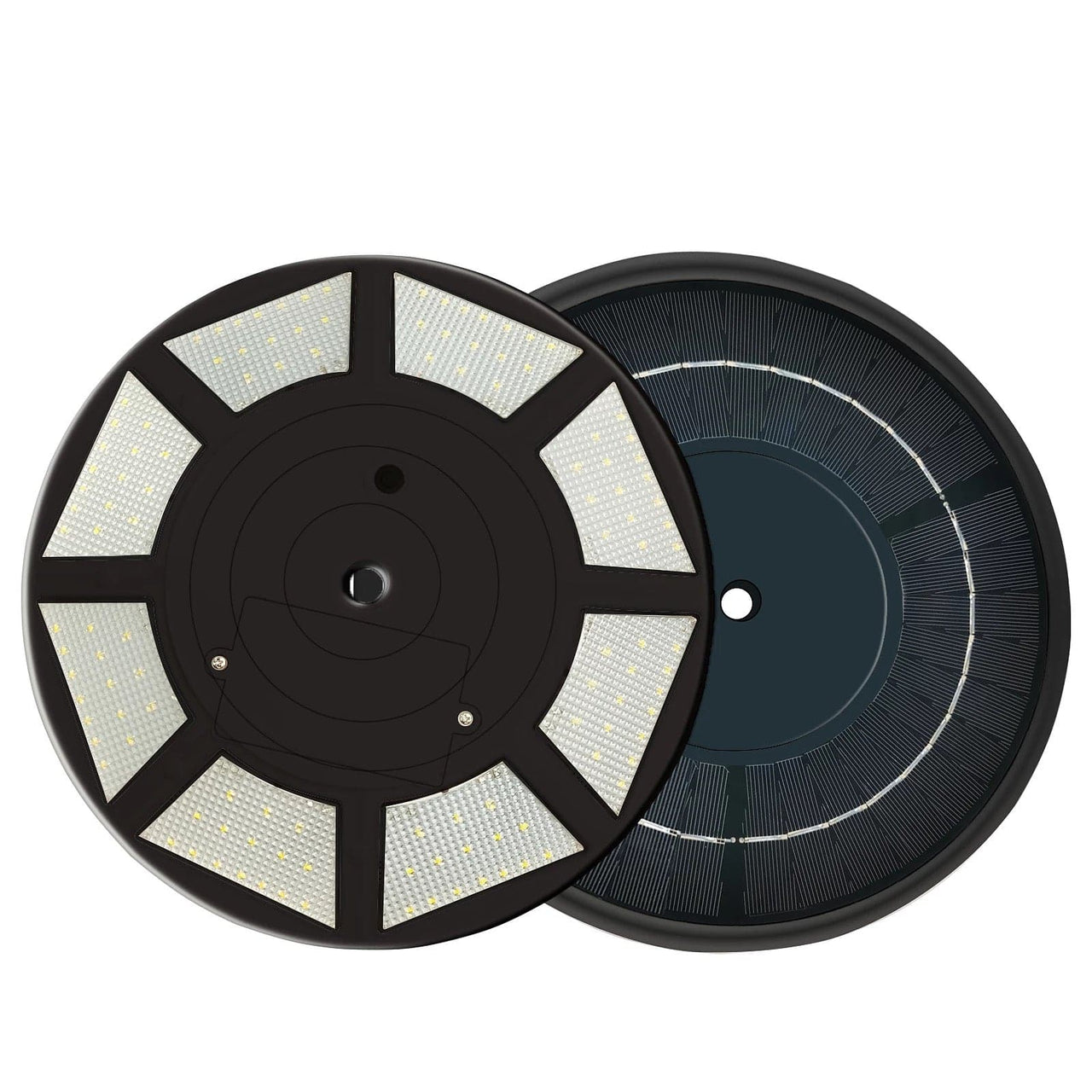
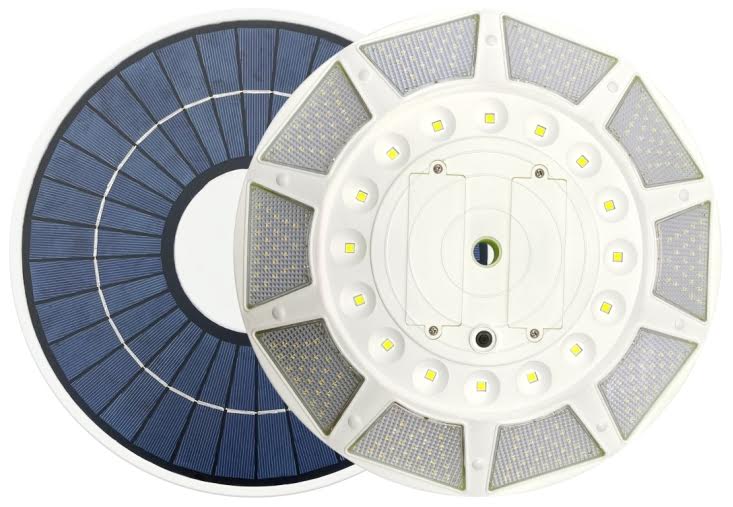
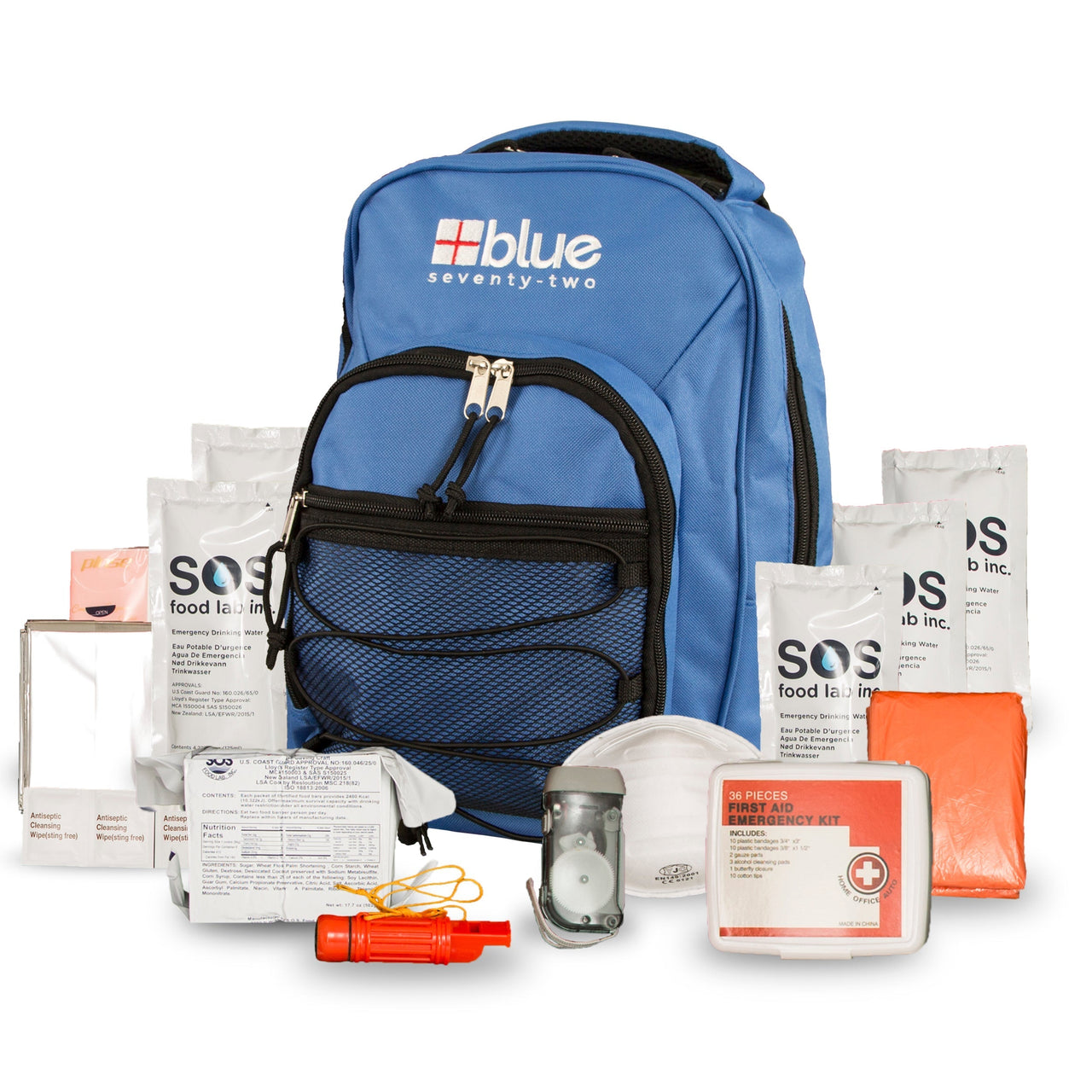
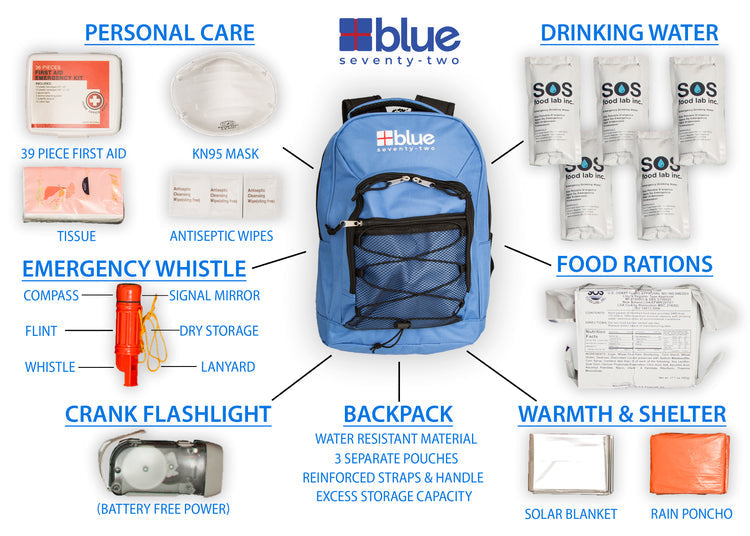
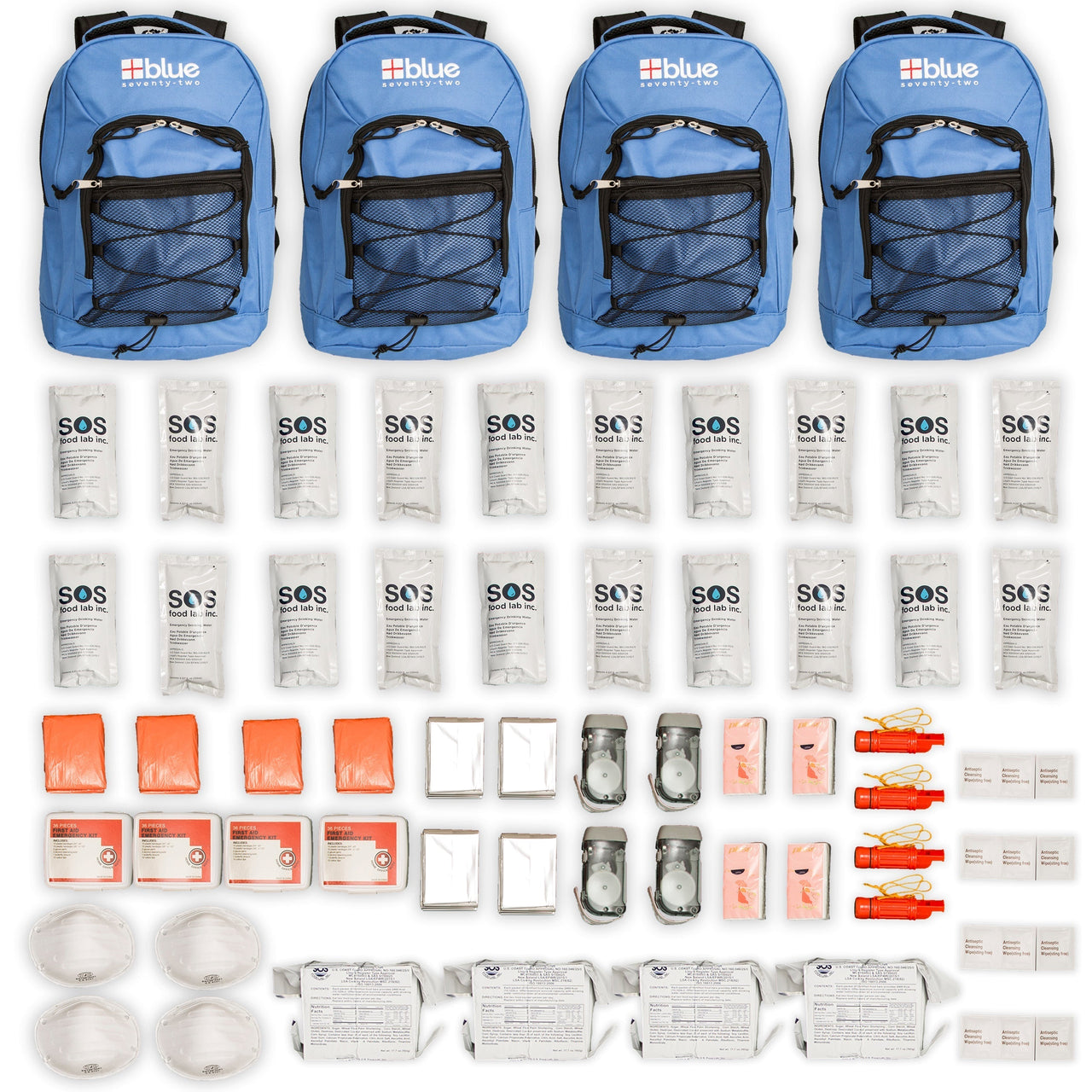
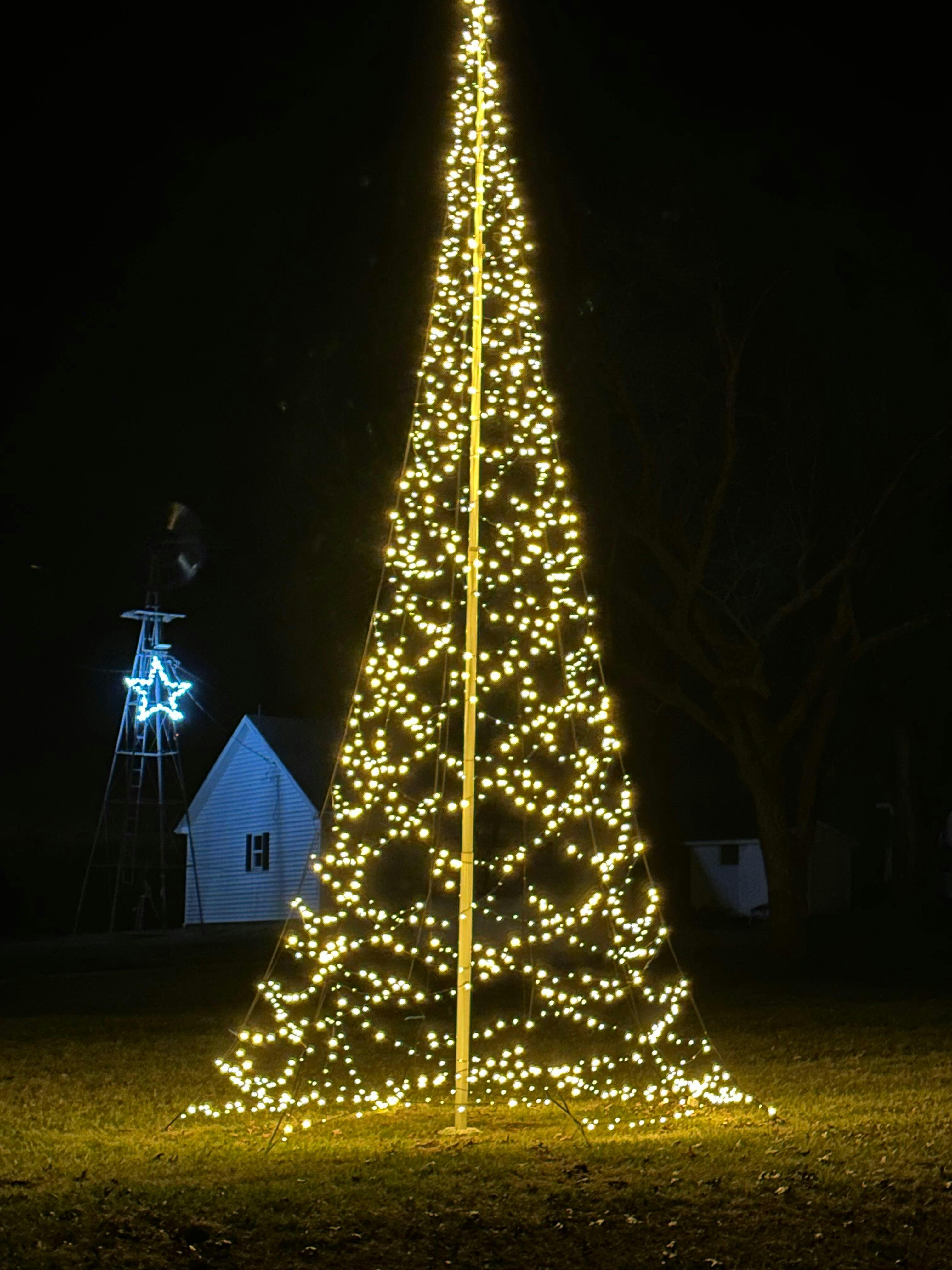
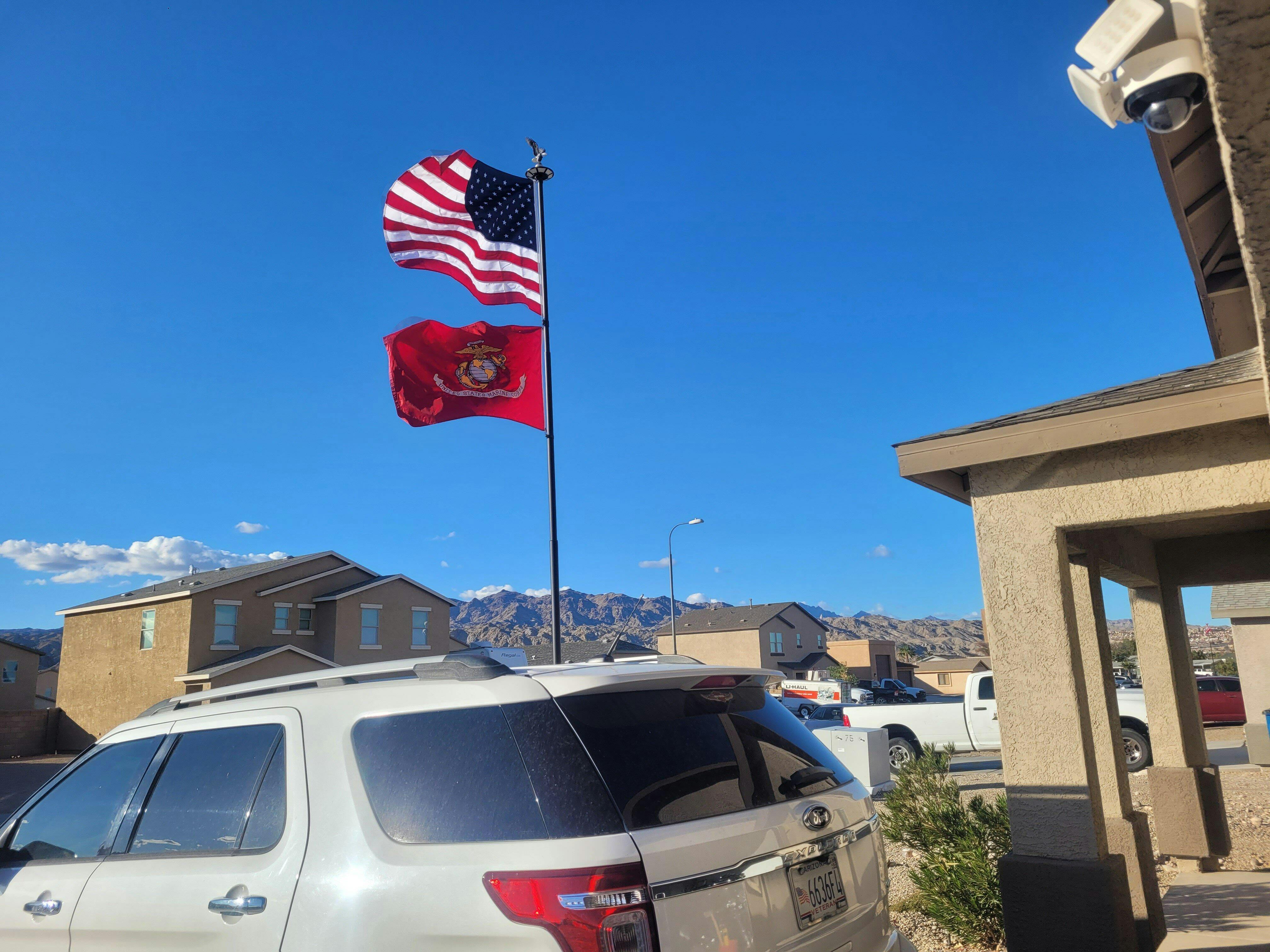
When disaster strikes, having the right emergency survival kit can mean the difference between chaos and calm, danger and safety. Our carefully curated collection of the best emergency survival kits for families brings together FEMA-recommended supplies, innovative preparedness solutions, and reliable gear designed to protect your loved ones during natural disasters, power outages, evacuations, and unexpected emergencies. Whether you're building your first 72-hour emergency kit or upgrading your family's preparedness plan, this collection features pre-assembled survival packs like the Blue Seventy-Two 4-Person Family Emergency Kit that include essential food, water, first aid supplies, and survival tools in organized, grab-and-go packaging. We've also included critical supplementary gear such as the TelePatriot Phoenix Solar Flagpole Light, which provides 2200 lumens of reliable, battery-free illumination during extended power outages. From compact 72-hour survival kits for smaller households to comprehensive 4-person family systems, every product has been selected for quality, reliability, and compliance with emergency management guidelines. Don't wait until it's too late - equip your family with the emergency preparedness supplies that provide peace of mind and life-saving resources when you need them most. Explore our collection to find the perfect emergency survival kit solution for your family's unique needs and take the first step toward true disaster readiness today.
What should you look for in a family emergency survival kit?
When selecting a family emergency survival kit, prioritize comprehensive coverage of basic survival needs across multiple categories. The ideal kit should provide sufficient food and water for every family member for at least 72 hours, as recommended by FEMA and emergency management agencies. Look for kits that include calorie-dense, long-shelf-life food rations and water pouches or purification systems. Medical supplies are equally critical - your kit should contain a well-stocked first aid kit with bandages, antiseptics, medications, and tools for treating injuries. Lighting and communication tools are essential, with solar-powered options like the TelePatriot Phoenix LED System offering reliable illumination without battery dependency. Additional considerations include shelter materials (emergency blankets, ponchos), sanitation supplies, important documents in waterproof containers, and age-appropriate items for children. The best family kits come pre-organized in durable, portable backpacks or containers that can be quickly grabbed during evacuations, eliminating the stress of assembling supplies during an emergency.
Frequently Asked Questions
What should you include in a family emergency kit?
A comprehensive family emergency kit should include water (one gallon per person per day for at least three days), non-perishable food for 72 hours, a battery or hand-crank powered radio, flashlights and extra batteries (or solar-powered lighting like the TelePatriot Phoenix LED System), a complete first aid kit, prescription medications and medical supplies, multi-purpose tools including a knife and can opener, local maps, cell phone chargers (solar or battery backup), emergency blankets, sanitation supplies (moist towelettes, garbage bags, plastic ties), copies of important documents in waterproof containers, cash and credit cards, emergency contact information, extra clothing and sturdy shoes, fire extinguisher, matches in waterproof container, feminine hygiene products, mess kits and utensils, paper and pencil, books or games for children, and sleeping bags or warm blankets. Pre-assembled kits like the Blue Seventy-Two 4-Person Family Emergency Kit include most of these essentials in organized, grab-and-go packaging that meets FEMA recommendations.
What are the 10 essential survival kit items?
The 10 most essential survival kit items that form the foundation of emergency preparedness are: (1) Water - at least three gallons per person for drinking and sanitation, (2) Food - minimum 72 hours of non-perishable, high-calorie rations that require no cooking, (3) First Aid Kit - comprehensive medical supplies including bandages, antiseptics, pain relievers, and prescription medications, (4) Lighting - flashlights, headlamps, or solar-powered systems like flagpole lights that provide hands-free illumination, (5) Communication Tools - battery or hand-crank emergency radio and phone charging capabilities, (6) Shelter and Warmth - emergency blankets, tarps, and weather-appropriate clothing, (7) Fire Starting - waterproof matches, lighters, or fire starters, (8) Multi-Tool or Knife - for cutting, opening, and repairs, (9) Sanitation Supplies - toilet paper, hygiene products, garbage bags, and hand sanitizer, and (10) Important Documents - copies of identification, insurance policies, medical records, and emergency contacts in waterproof storage. These core items address the critical survival priorities of water, shelter, signaling, first aid, and sustenance during the crucial first 72 hours of any emergency situation.
What to stockpile for 72 hours?
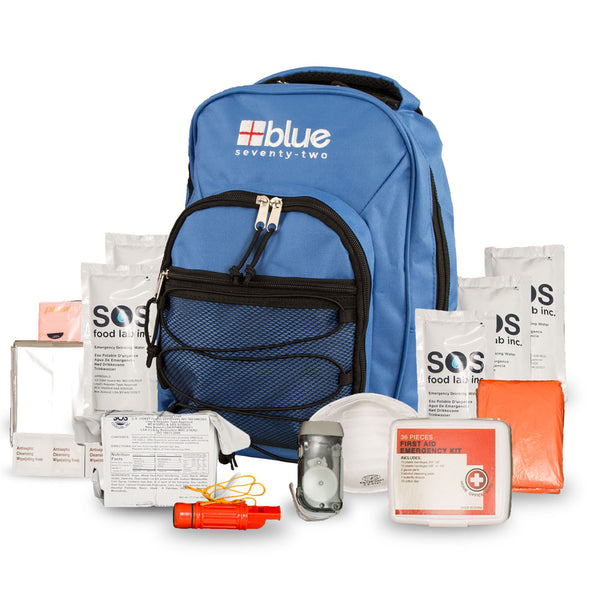
For a 72-hour emergency stockpile, focus on non-perishable essentials that require minimal preparation and cover all basic survival needs. Water is your top priority - store at least one gallon per person per day (three gallons minimum per person). For food, stockpile ready-to-eat items like energy bars, canned goods with pull-top lids, peanut butter, crackers, dried fruits, nuts, and emergency food rations included in kits like the Blue Seventy-Two 72-Hour Emergency Survival Kit. Medical supplies should include a fully stocked first aid kit, prescription medications for at least one week, over-the-counter pain relievers, antibiotic ointment, and any specialized medical equipment. Power and lighting needs require batteries in various sizes, solar-powered lights such as the TelePatriot Phoenix LED System, flashlights, and portable phone chargers. Sanitation items include toilet paper, moist towelettes, hand sanitizer, feminine hygiene products, plastic bags, and household chlorine bleach for water purification. Additional supplies should include a manual can opener, plastic utensils, paper plates and cups, emergency blankets, a change of clothing, sturdy shoes, cash in small denominations, copies of critical documents, and items for infants, elderly, or pets if applicable. Organize these supplies in easily accessible, portable containers that can be quickly grabbed during evacuations.
What does FEMA recommend you purchase?
FEMA's official emergency preparedness guidelines recommend purchasing supplies across several critical categories to sustain your family for a minimum of 72 hours. Their basic emergency supply kit checklist includes: one gallon of water per person per day for at least three days, a three-day supply of non-perishable food, a battery-powered or hand-crank radio (NOAA Weather Radio if possible), flashlight and extra batteries, first aid kit, whistle to signal for help, dust masks for air filtration, plastic sheeting and duct tape for shelter-in-place scenarios, moist towelettes and garbage bags for sanitation, wrench or pliers to turn off utilities, manual can opener, local maps, and cell phone with chargers and backup battery. FEMA also recommends additional items for families including prescription medications, infant formula and diapers, pet food and water, cash or traveler's checks, important family documents in waterproof containers, sleeping bags or warm blankets, complete change of clothing appropriate for your climate, fire extinguisher, matches in waterproof container, feminine supplies, mess kits, paper and pencil, and books or games for children. Pre-packaged solutions like the Blue Seventy-Two Family Emergency Kits are designed to meet or exceed these FEMA recommendations while providing organized, immediately accessible emergency supplies.
How often should you update your family emergency kit?
Family emergency kits require regular maintenance to ensure all supplies remain functional and current. Review and update your kit every six months, ideally when changing clocks for daylight saving time as an easy reminder. During these reviews, check expiration dates on food, water, and medications, replacing items that are expired or will expire within the next six months. Test all electronic equipment including flashlights, radios, and solar-powered lights like the TelePatriot Phoenix LED System to verify they're working properly. Replace batteries even if they haven't been used, as they can lose charge over time. Update clothing to ensure it still fits all family members, especially growing children, and is appropriate for current seasons. Refresh copies of important documents, update emergency contact information, and verify that prescription medications reflect current dosages and needs. Review your family's emergency plan and evacuation routes, making adjustments for any changes in work locations, schools, or household composition. Additionally, conduct a full inventory annually to replace any used items, upgrade worn equipment, and add new supplies based on lessons learned from drills or actual emergencies. Store your kit in a cool, dry, easily accessible location, and ensure all family members know where it's kept and how to use its contents.