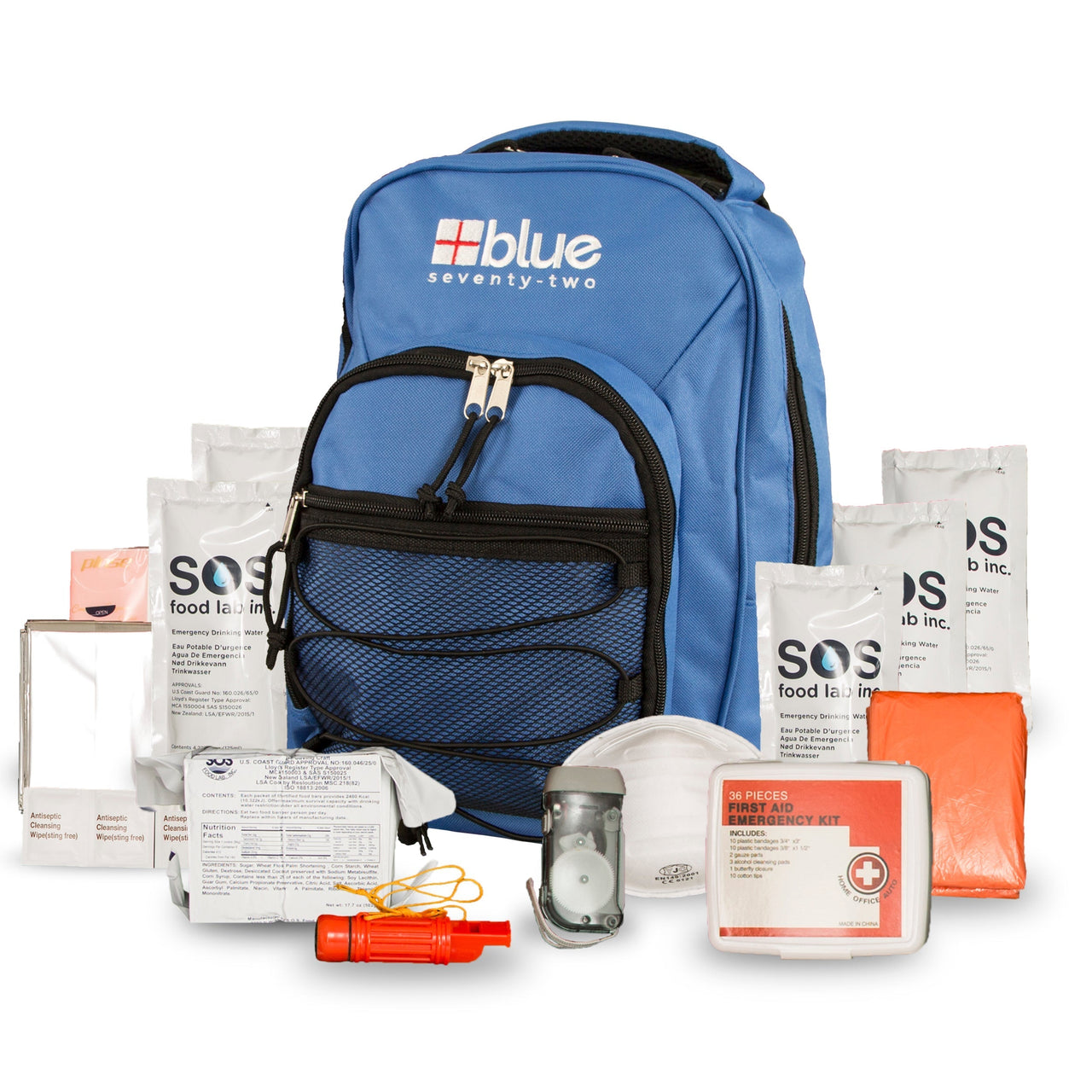
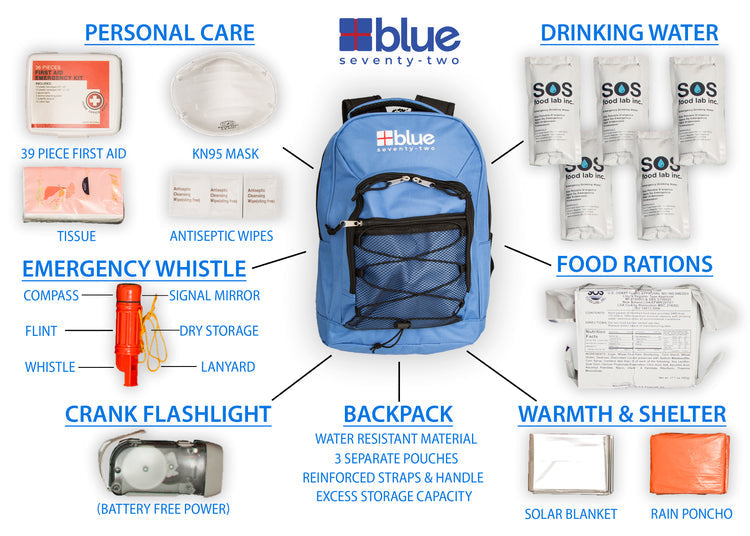
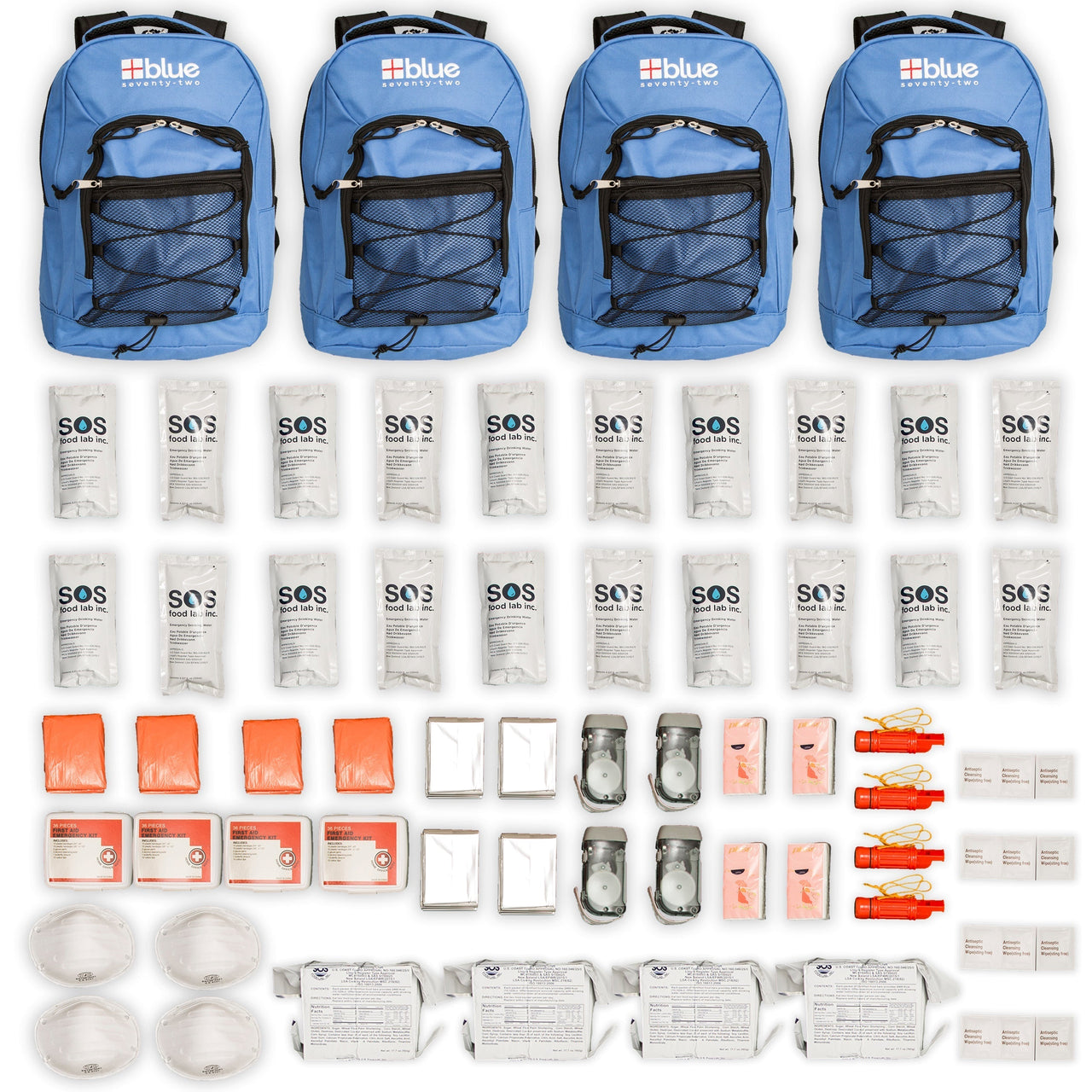
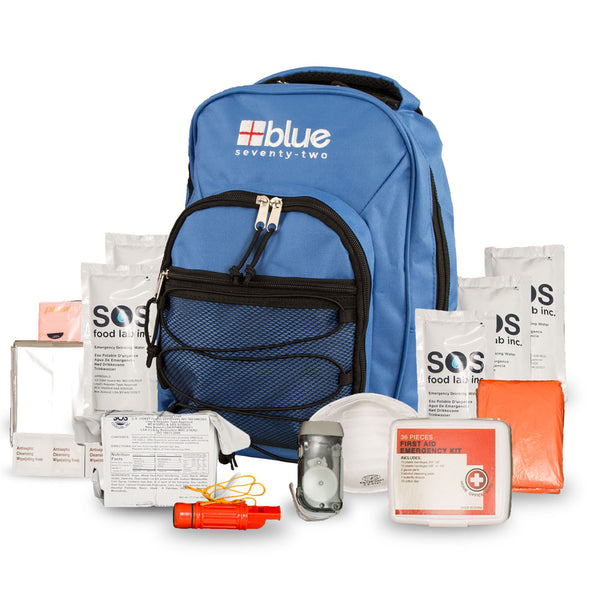
When disaster strikes, having a well-prepared 72-hour emergency kit can mean the difference between safety and crisis. Whether facing natural disasters like hurricanes, earthquakes, or floods, or unexpected emergencies requiring immediate evacuation, a comprehensive three-day survival kit ensures your family has essential supplies to remain safe, fed, and sheltered until help arrives or normal services resume. Our curated collection of premium 72-hour emergency kits from Blue Seventy-Two provides everything you need for effective disaster preparedness. Each kit is thoughtfully designed by survival experts to include critical supplies: purified water, long-lasting food rations, comprehensive first aid materials, emergency tools, sanitation supplies, and communication devices. Available in configurations for individuals and families, these kits eliminate the guesswork from emergency preparedness, offering peace of mind that you're ready for whatever comes your way. Every product features durable, waterproof storage, organized compartments for quick access, and supplies that meet or exceed emergency management agency recommendations. Invest in your family's safety today with a professionally assembled emergency kit that's ready when you need it most.
What should you look for in a 72-hour emergency kit?
A comprehensive 72-hour emergency kit should include the fundamental survival essentials to sustain life during disasters or emergencies. Look for kits that provide at least one gallon of water per person per day (three gallons total), non-perishable food items with extended shelf life, a well-stocked first aid kit with medications, and emergency tools like flashlights, batteries, and multi-tools. The best kits also include sanitation supplies, emergency blankets, weather-appropriate clothing, important documents in waterproof containers, and communication devices like emergency radios. Quality matters significantly—choose kits with durable, waterproof packaging that can withstand various environmental conditions. The kit should be portable yet comprehensive, with organized compartments for easy access during stressful situations. Additionally, ensure the kit includes items specific to your household needs, such as infant supplies, prescription medications, pet food, or special dietary requirements.
Frequently Asked Questions
What should be in a 72 hour emergency kit?
A complete 72-hour emergency kit should contain water (one gallon per person per day for three days), non-perishable food items that require no cooking or refrigeration, a comprehensive first aid kit with bandages, antiseptics, and pain relievers, and essential medications. Include a battery-powered or hand-crank emergency radio, flashlights with extra batteries, a multi-tool or Swiss Army knife, and local maps. Sanitation items are crucial: toilet paper, moist towelettes, garbage bags, and personal hygiene products. Add emergency blankets, weather-appropriate clothing, sturdy shoes, and work gloves. Important documents should be stored in waterproof containers, including identification, insurance policies, bank records, and emergency contact information. Communication tools like a whistle, cell phone with chargers and backup battery, and family communication plans are essential. Don't forget cash in small denominations, matches in waterproof containers, and items for infants, elderly family members, or pets if applicable.
What is the best food to stockpile for survival?
The best survival foods combine long shelf life, high nutritional value, and minimal preparation requirements. Prioritize canned goods including vegetables, fruits, beans, soups, and meats like tuna, chicken, and salmon, which typically last 2-5 years. Dried goods such as rice, pasta, oats, and quinoa offer excellent shelf stability and caloric density. Freeze-dried meals specifically designed for emergency preparedness can last 25-30 years and require only water for preparation. Protein sources should include peanut butter, nuts, protein bars, and jerky. Energy-dense foods like granola bars, crackers, dried fruits, and trail mix provide quick sustenance. Comfort foods matter too—include coffee, tea, chocolate, and hard candies for morale during stressful situations. Store powdered milk, shelf-stable milk boxes, and electrolyte drink mixes for hydration and nutrition. Essential seasonings, cooking oil, and multivitamins round out a comprehensive food stockpile. Rotate your supplies regularly, using and replacing items before expiration dates, and always store food in cool, dry, dark locations to maximize shelf life.
What to stock up on in case of war 2025?
While comprehensive emergency preparedness is prudent regardless of specific threats, essential stockpiling for extended crisis situations should focus on self-sufficiency for 2-4 weeks minimum. Beyond standard 72-hour kit items, prioritize water storage and purification—aim for at least two weeks of drinking water plus filtration systems and purification tablets. Expand food supplies to include bulk staples: rice, beans, flour, sugar, salt, and cooking oil, along with canned goods and freeze-dried meals. Medical supplies become critical: stock prescription medications for 30-90 days, comprehensive first aid supplies, antibiotics if accessible, pain relievers, and any specialized medical equipment your family requires. Fuel and energy sources matter—gasoline stabilizer for stored fuel, propane, batteries in all sizes, solar chargers, and alternative cooking methods. Sanitation and hygiene supplies should be abundant: soap, disinfectants, toilet paper, feminine products, and waste disposal solutions. Include tools for self-sufficiency: manual can openers, fire-starting equipment, hand tools, duct tape, and tarps. Communication devices, battery-powered radios, and ways to stay informed are essential. Finally, maintain cash reserves, important documents, and items for bartering if economic systems are disrupted.
What is the Costco emergency food for $3000?
The Costco emergency food supply often referenced is the Nutristore 1-Year Food Storage Kit, which typically retails around $2,500-$3,000 and provides approximately one year of food for one person or three months for a family of four. This comprehensive package includes freeze-dried and dehydrated foods with a 25-year shelf life, containing breakfast items like oatmeal and granola, lunch and dinner options including pasta, rice, beans, and freeze-dried vegetables, protein sources such as textured vegetable protein and powdered milk, and supplementary items like soup mixes, drink mixes, and baking essentials. The kit typically provides around 2,000 calories per day and comes in stackable, space-efficient buckets for easy storage. While this represents a significant investment, it breaks down to approximately $8 per day for complete nutrition. Alternatives exist at various price points: Augason Farms, Mountain House, and Legacy Food Storage offer similar long-term food storage solutions ranging from $1,000-$5,000 depending on duration and serving sizes. When considering such purchases, evaluate your family's actual dietary needs, available storage space, and whether you prefer an all-in-one solution or building your emergency food supply gradually with items you regularly rotate through your normal diet.
How often should you update your 72-hour emergency kit?
Emergency kits require regular maintenance to remain effective when needed. Conduct a thorough inspection every six months, ideally when daylight saving time changes as a memory aid. During these checks, verify expiration dates on all food items, water pouches, and medications, replacing anything within six months of expiration. Test batteries in flashlights, radios, and other electronic devices, replacing weak or dead ones. Review and update important documents, ensuring copies of identification, insurance policies, and emergency contacts reflect current information. Assess clothing for proper sizing, especially for growing children, and verify seasonal appropriateness—rotate out winter items for summer and vice versa. Check first aid supplies for completeness and expiration dates on ointments, medications, and sterile items. Annually, completely unpack your kit to check for water damage, pest intrusion, or deterioration of containers and packaging. Update your emergency plan and contact information, and ensure all family members know the kit's location and contents. After using any items from your kit, replace them immediately. Consider your family's changing needs—new medications, dietary changes, additional family members, or pets require kit adjustments. This proactive maintenance ensures your emergency kit provides reliable protection when disaster strikes.